The 8,000m Giants

Home to eight of the ten highest peaks on planet Earth.

Beyond the Basics

Expedition Guide to Nepal's 8,000m Peaks

What these mountains demand, how permits work, and how to plan responsibly.

The Eight-Thousanders of Nepal

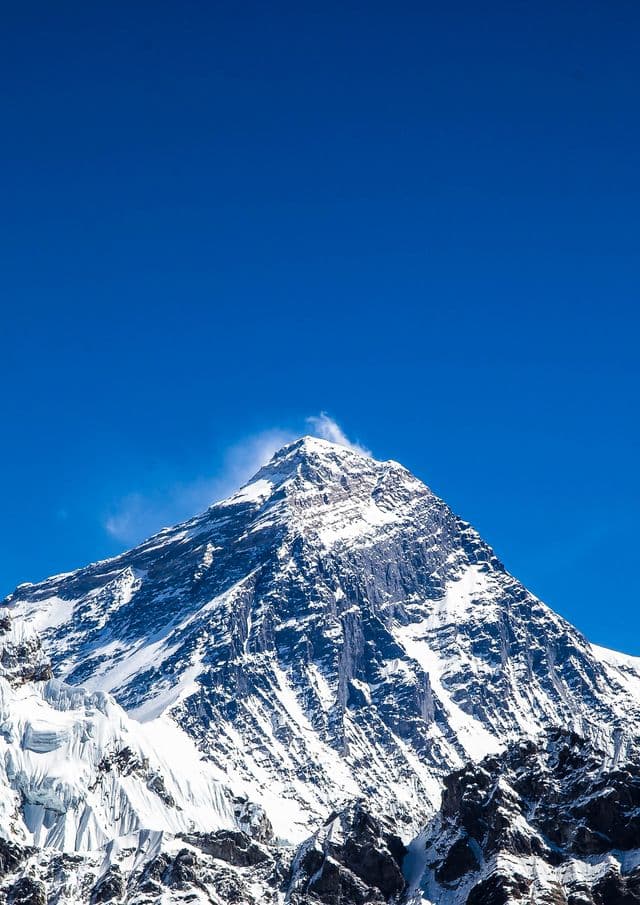
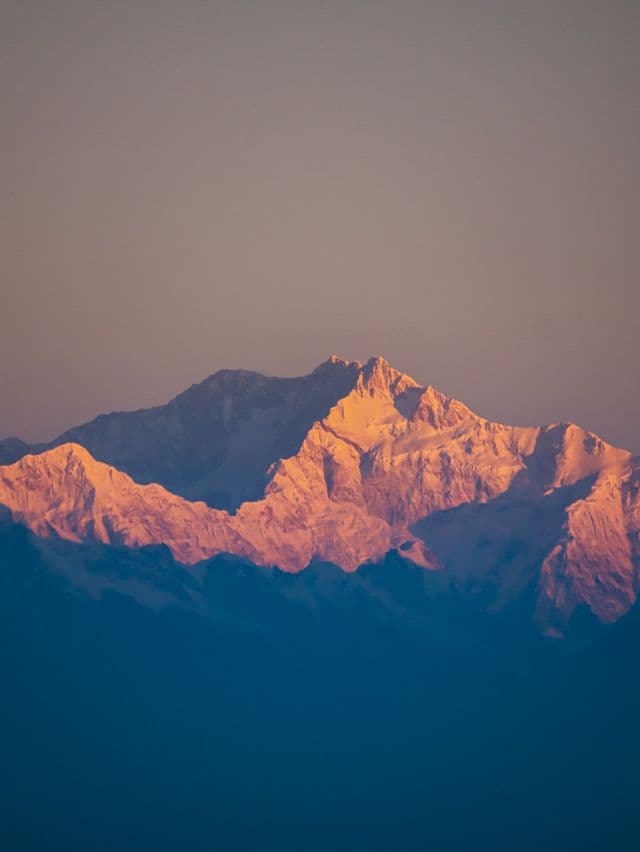
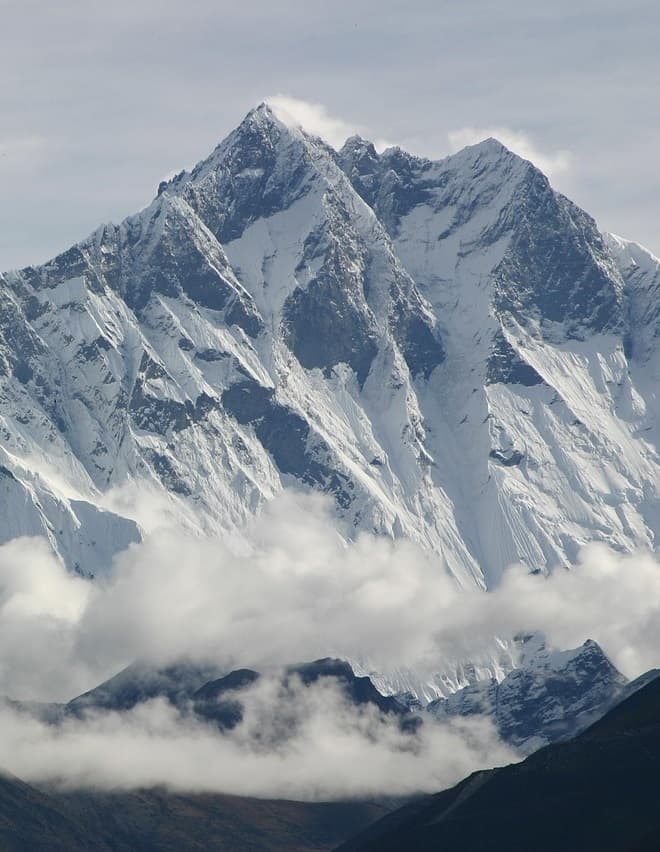
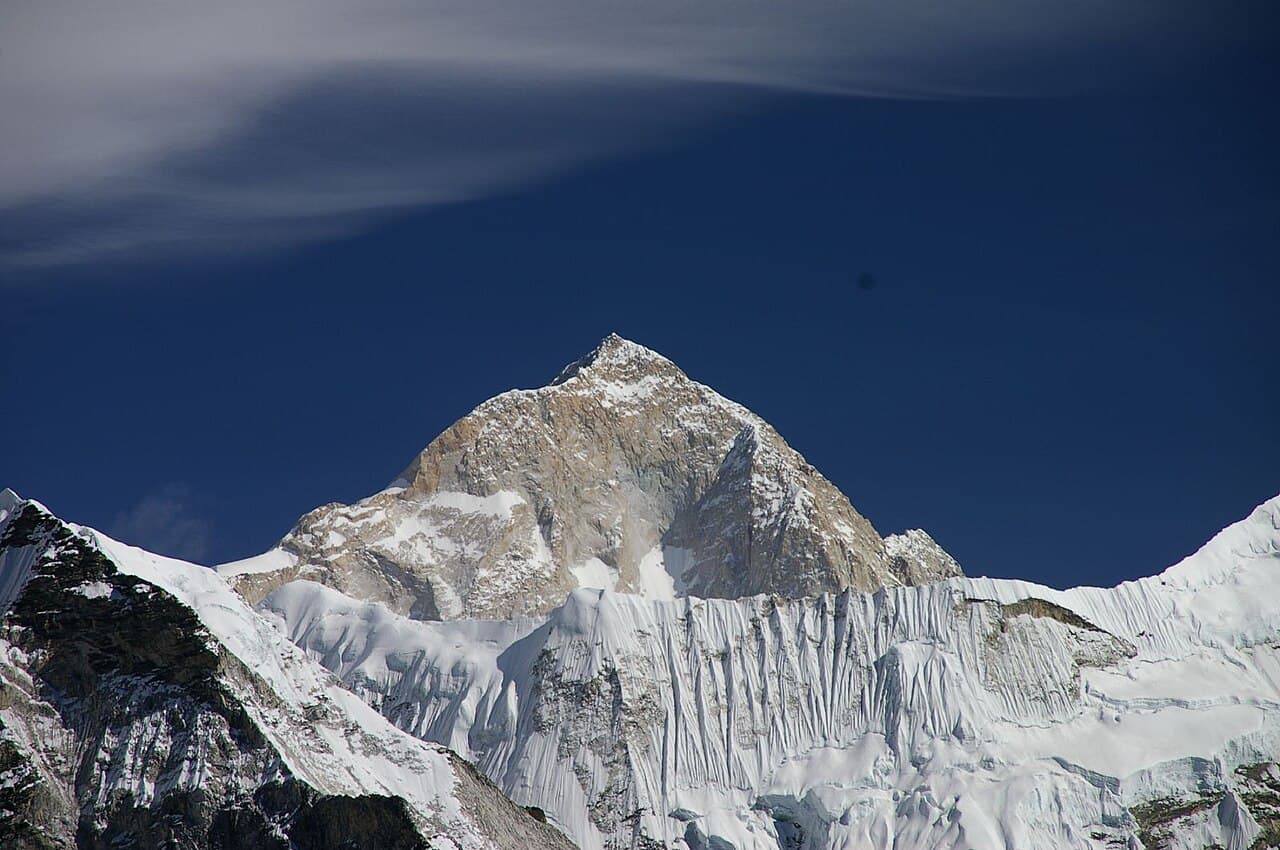
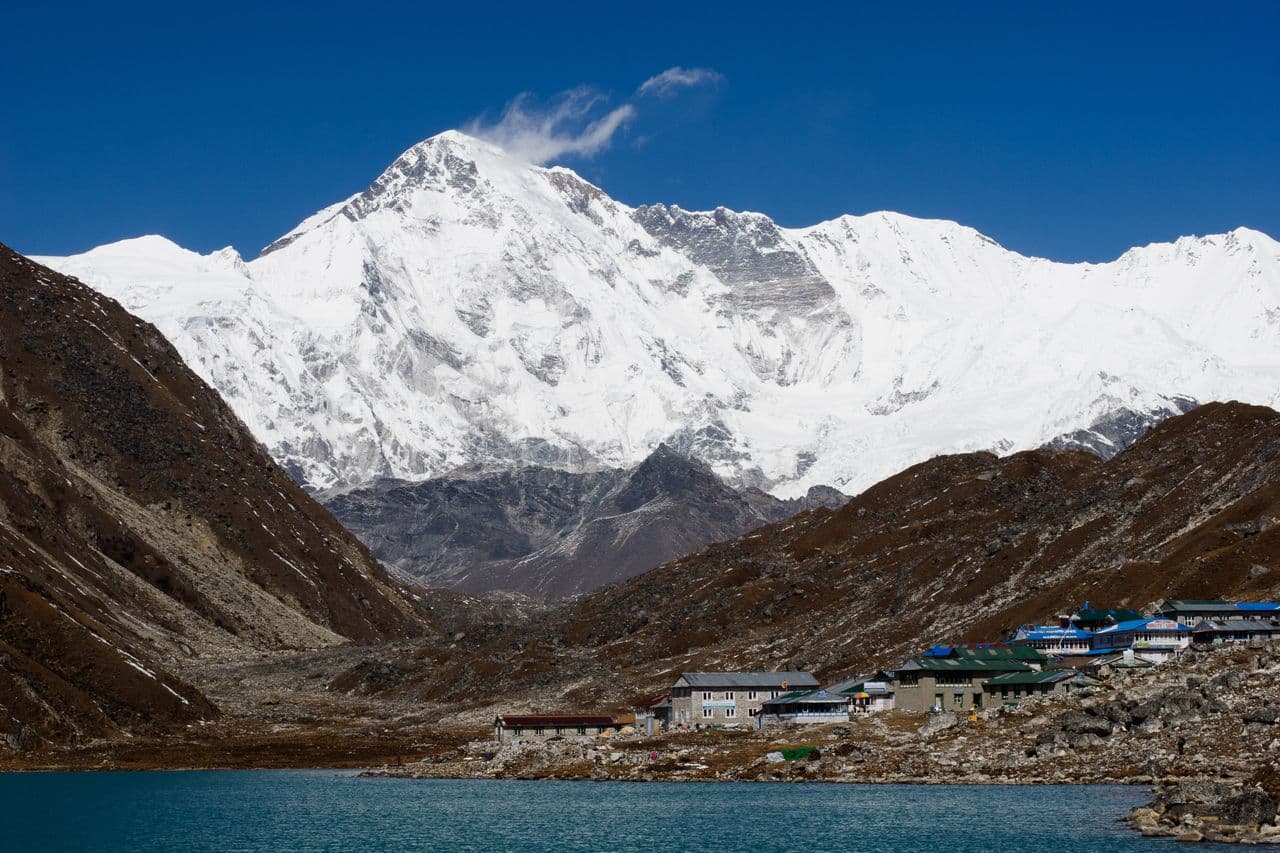
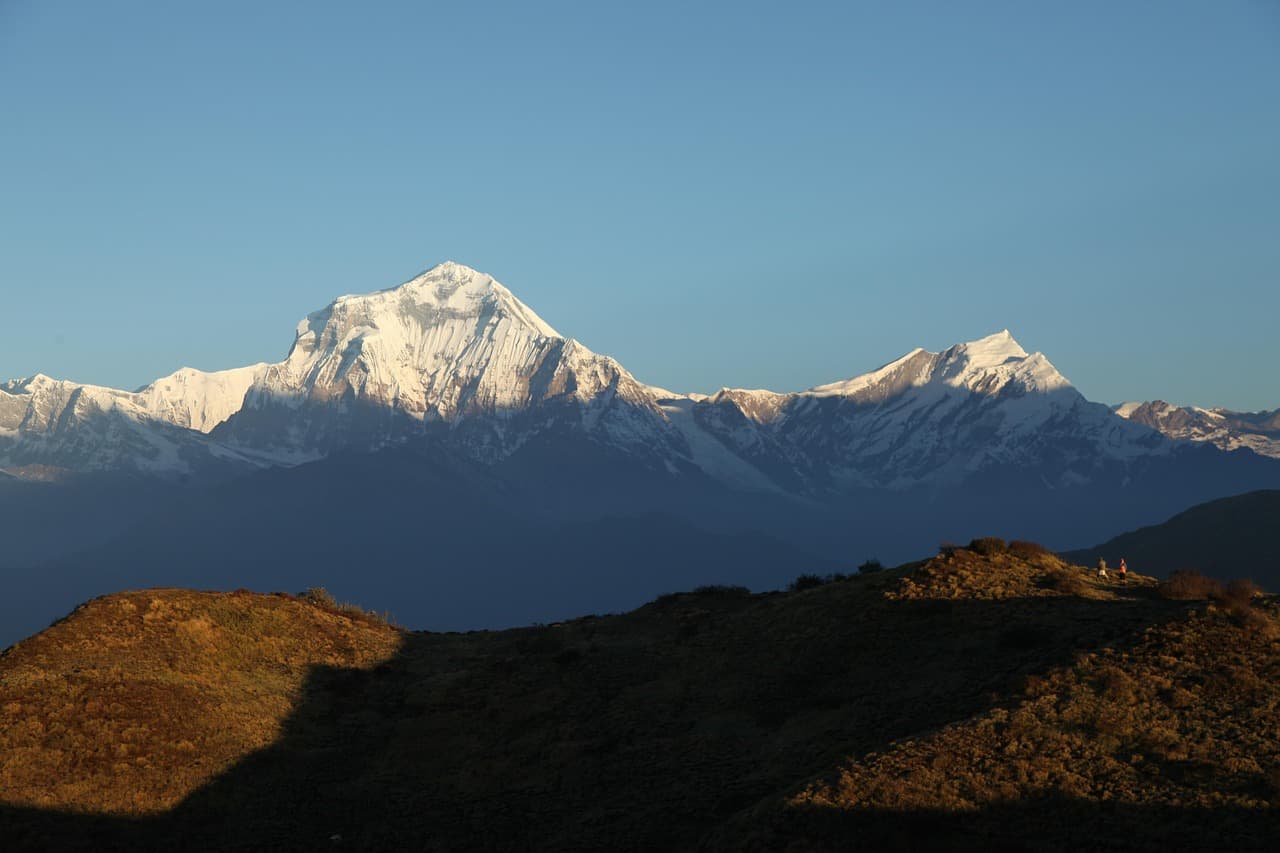
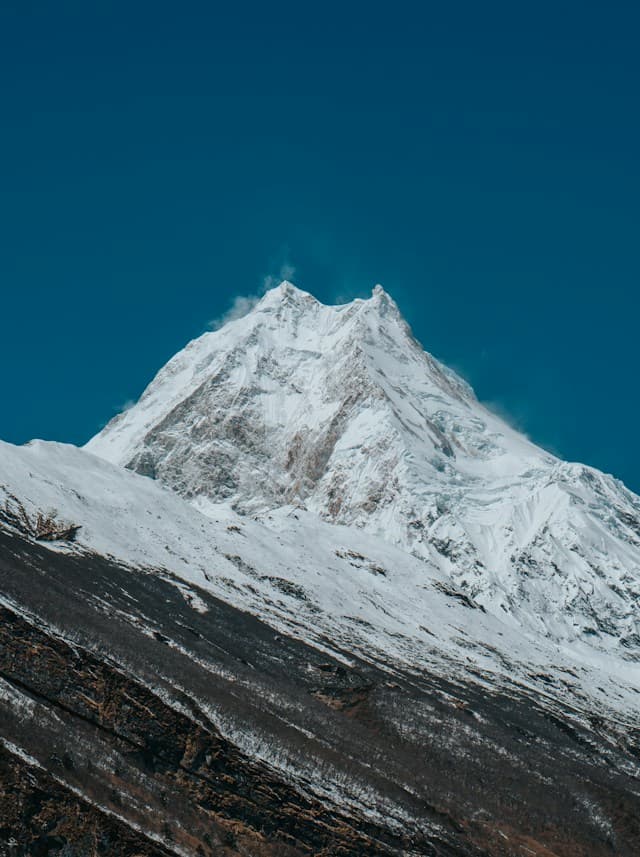
Nepal is home to eight of the fourteen mountains on Earth that rise above 8,000 metres: Everest, Kanchenjunga, Lhotse, Makalu, Cho Oyu, Dhaulagiri I, Manaslu, and Annapurna I. Each is a full expedition objective requiring months of planning and weeks on the mountain.

These peaks sit in different regions, from the Khumbu and Makalu-Barun areas in the east to the Annapurna and Dhaulagiri ranges in central Nepal, and the far north-west near the Tibetan border. Access, permit costs, and approach times vary considerably between them.

What an 8,000-Metre Expedition Involves

A typical expedition lasts six to ten weeks. Teams spend the first weeks trekking to base camp, then rotate through higher camps to acclimatise before waiting for a summit window. Supplementary oxygen, high-altitude sherpa support, and fixed ropes are standard on the busiest routes.

Costs vary widely depending on the mountain, the agency, and the level of support. A fully guided Everest expedition is a major financial commitment, while less crowded peaks can be climbed for far less but with more logistical independence and fewer rescue resources.

Permits, Fees, and Regulations

All 8,000-metre climbs in Nepal require an expedition permit from the Department of Tourism, plus national park or conservation area fees and a liaison officer. Royalty fees depend on the peak and the size of the team, and regulations are revised periodically.

Nepal has tightened rules on waste, insurance, and minimum team size on Everest in recent years. Confirm the current requirements with the department or a licensed expedition operator before committing to a team or paying a deposit.

Risk, Ethics, and the Mountain Environment

Above 7,000 metres the human body is operating at its limit. Cold injury, altitude illness, falls, and exhaustion are real hazards, and rescue is difficult and expensive. Honest assessment of your experience and a willingness to abandon a summit are essential safety skills.

The high camps on popular peaks generate significant waste. Responsible teams pack out rubbish, limit unnecessary helicopter flights, treat sherpa and porters as professional colleagues, and respect the sacred status of the mountains in Sherpa and Tibetan culture.