Cultural Legacy

Explore Nepal Heritage

Discover centuries of royal palaces, living monuments, sacred stupas, and architectural wonders across the Himalayas.

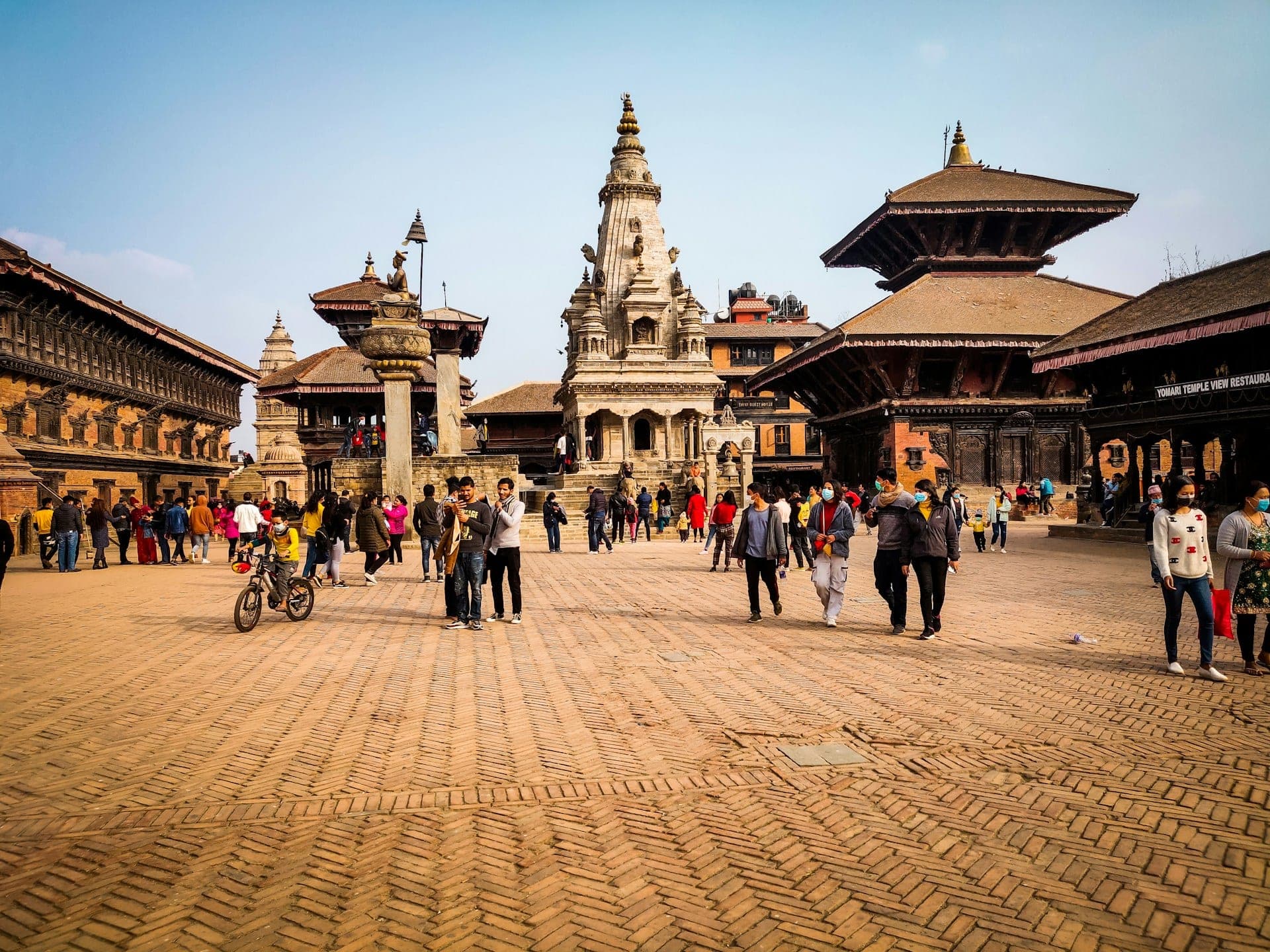
Bhaktapur Durbar Square
1,401 m
BHAKTAPUR DISTRICT

Bhaktapur Durbar Square

“Khwopa Layaku”

An open-air museum of medieval art, famous for the 55-Window Palace, Nyatapola Temple, and intricate woodcraft.

Architecture StyleNewari Pagoda & Palace Architecture
LocationBhaktapur Old City
Best SeasonAutumn & Spring
Main FestivalBisket Jatra
Explore Heritage
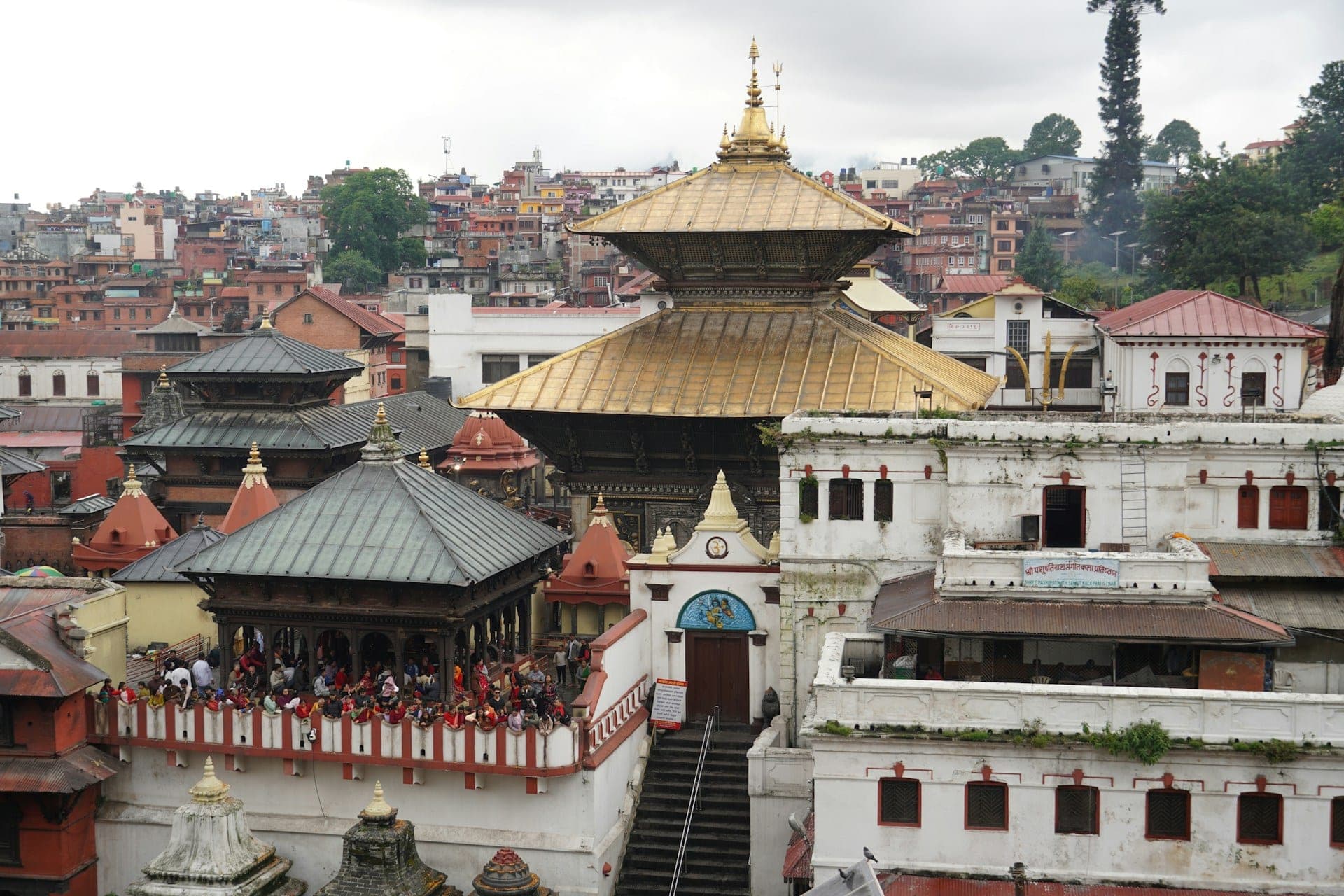
Pashupatinath Temple
1,350 m
KATHMANDU DISTRICT

Pashupatinath Temple

“Pashupati Kshetra”

The ultimate sacred pilgrimage site for Lord Shiva, spanning along both banks of the holy Bagmati River.

Architecture StyleClassical Hindu Temple Architecture
LocationGaushala, Kathmandu
Best SeasonYear-Round
Main FestivalMaha Shivaratri & Teej
Explore Heritage
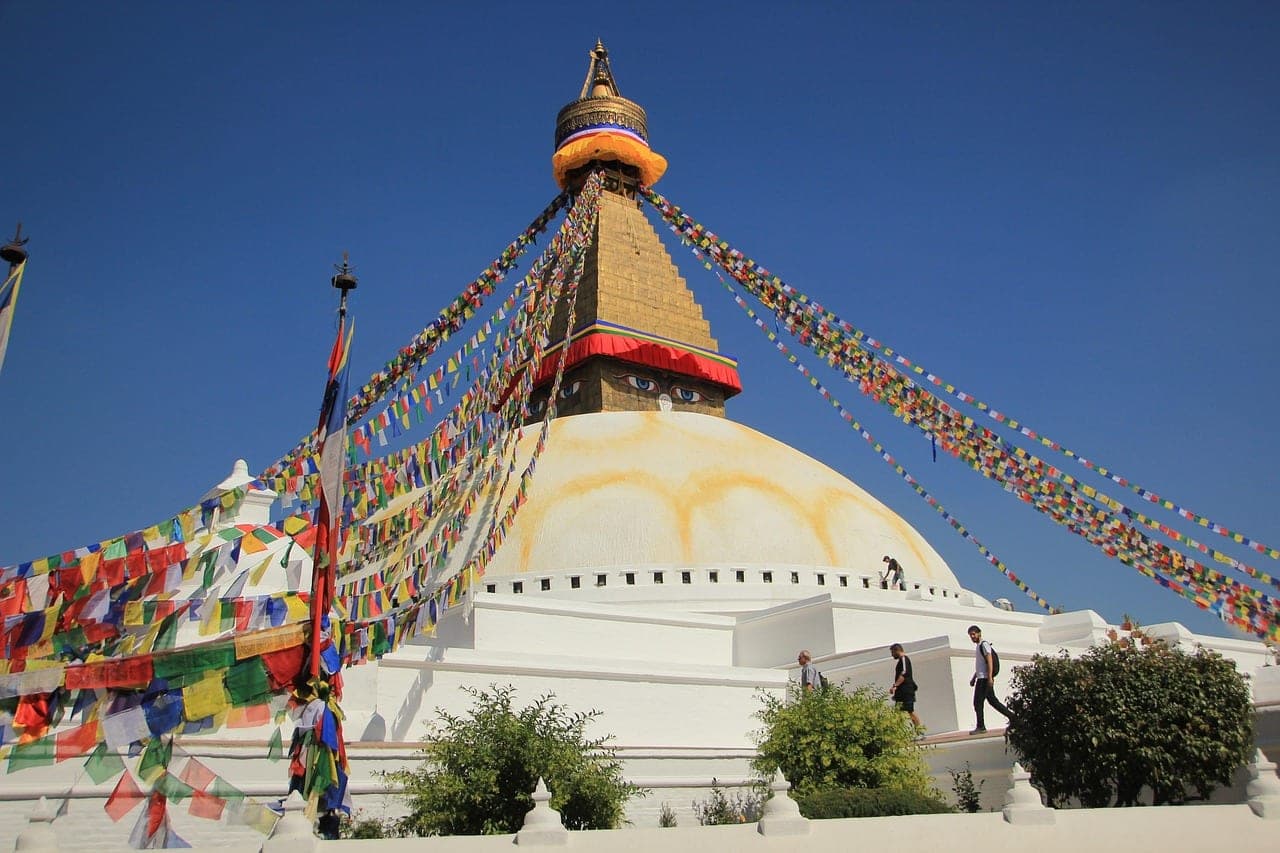
Boudhanath Stupa
1,380 m
KATHMANDU DISTRICT

Boudhanath Stupa

“Khasti Chaitya”

One of the largest spherical stupas in the world, serving as the cosmic centerpiece of Tibetan culture in Nepal.

Architecture StyleHimalayan Stupa Architecture
LocationBoudha, Kathmandu
Best SeasonYear-Round
Main FestivalLhosar & Buddha Jayanti
Explore Heritage
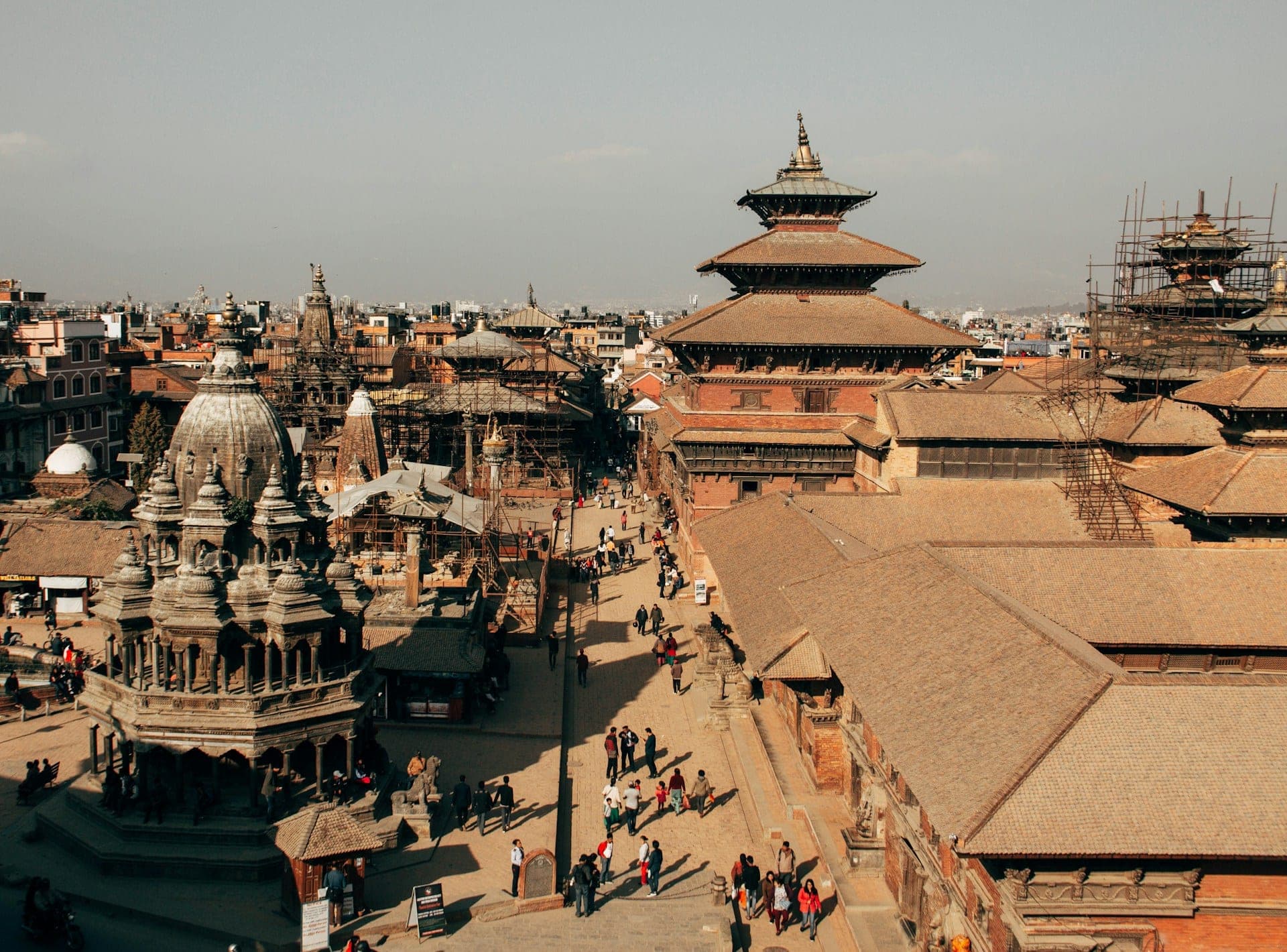
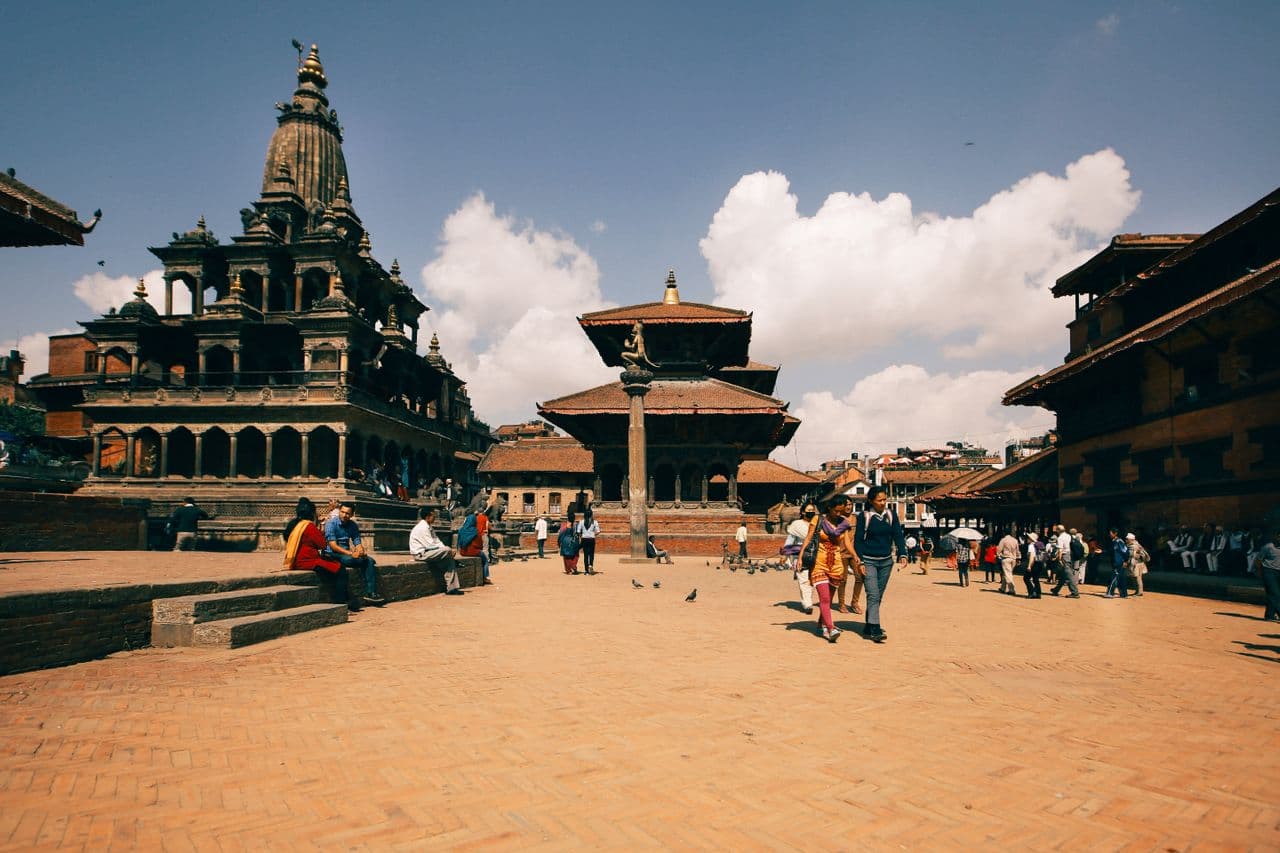
Patan Durbar Square
1,350 m
LALITPUR DISTRICT

Patan Durbar Square

“Yala Layaku”

Famous for its stone carvings, bronze statues, Krishna Mandir, and the magnificent Patan Museum.

Architecture StyleMalla Architecture & Metalworking
LocationPatan, Lalitpur
Best SeasonYear-Round
Main FestivalRato Machhindranath Jatra
Explore Heritage
Kathmandu Durbar Square
1,400 m
KATHMANDU DISTRICT

Kathmandu Durbar Square

“Hanuman Dhoka Durbar”

The historic seat of Nepalese royalty, featuring Hanuman Dhoka Palace, Taleju Temple, and the Kumari Ghar.

Architecture StyleRoyal Malla & Shah Pagoda Architecture
LocationBasantapur, Kathmandu
Best SeasonYear-Round
Main FestivalIndra Jatra & Dashain
Explore Heritage
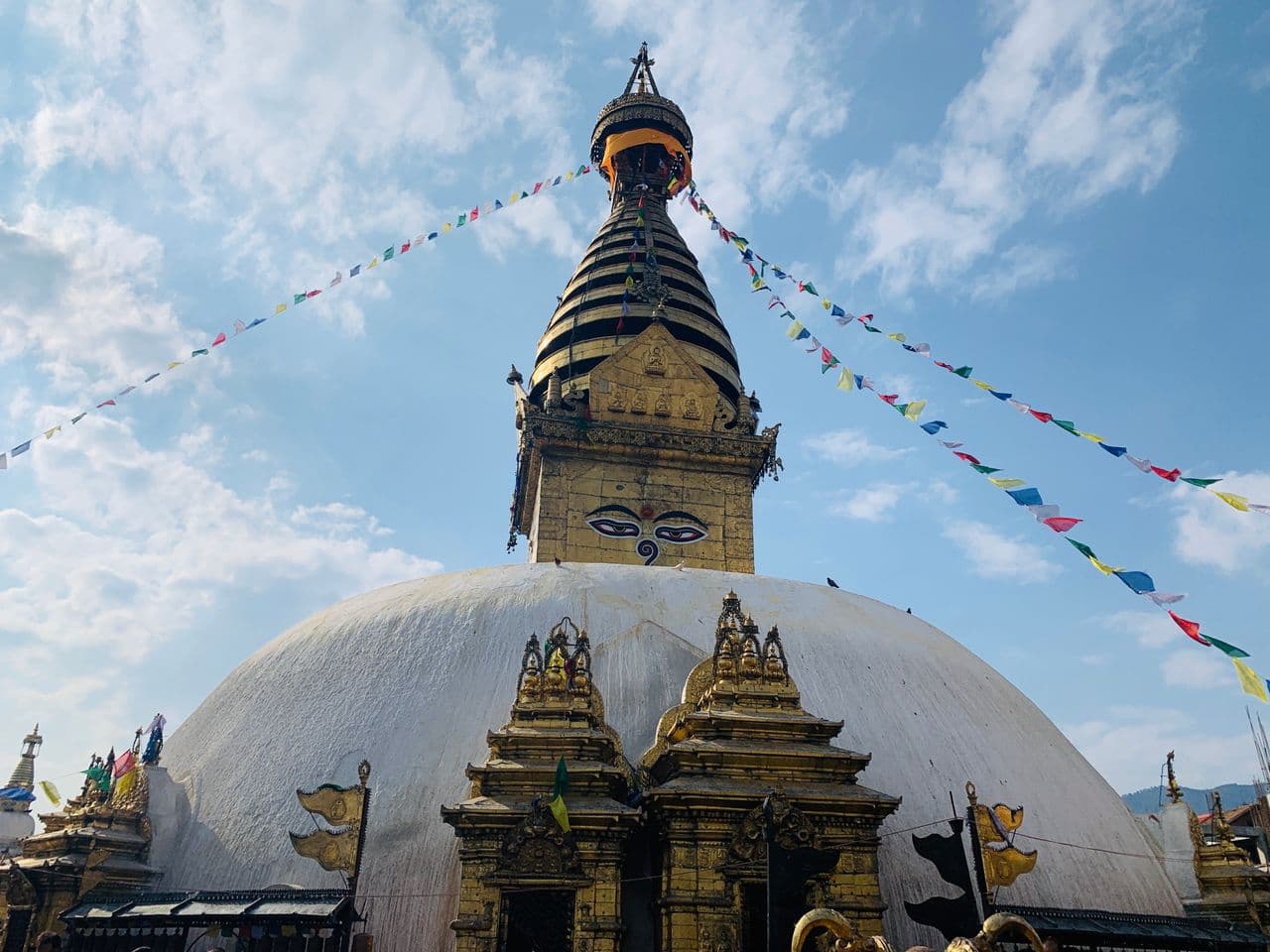
Swayambhunath Stupa
1,450 m
KATHMANDU DISTRICT

Swayambhunath Stupa

“Swayambhu / Monkey Temple”

Perched atop a hill, one of Nepal's oldest religious sites known for panoramic valley views and sacred monkeys.

Architecture StyleAncient Newar & Vajrayana Stupa
LocationSwayambhu Hill, Kathmandu
Best SeasonYear-Round
Main FestivalBuddha Jayanti & Gunla
Explore Heritage
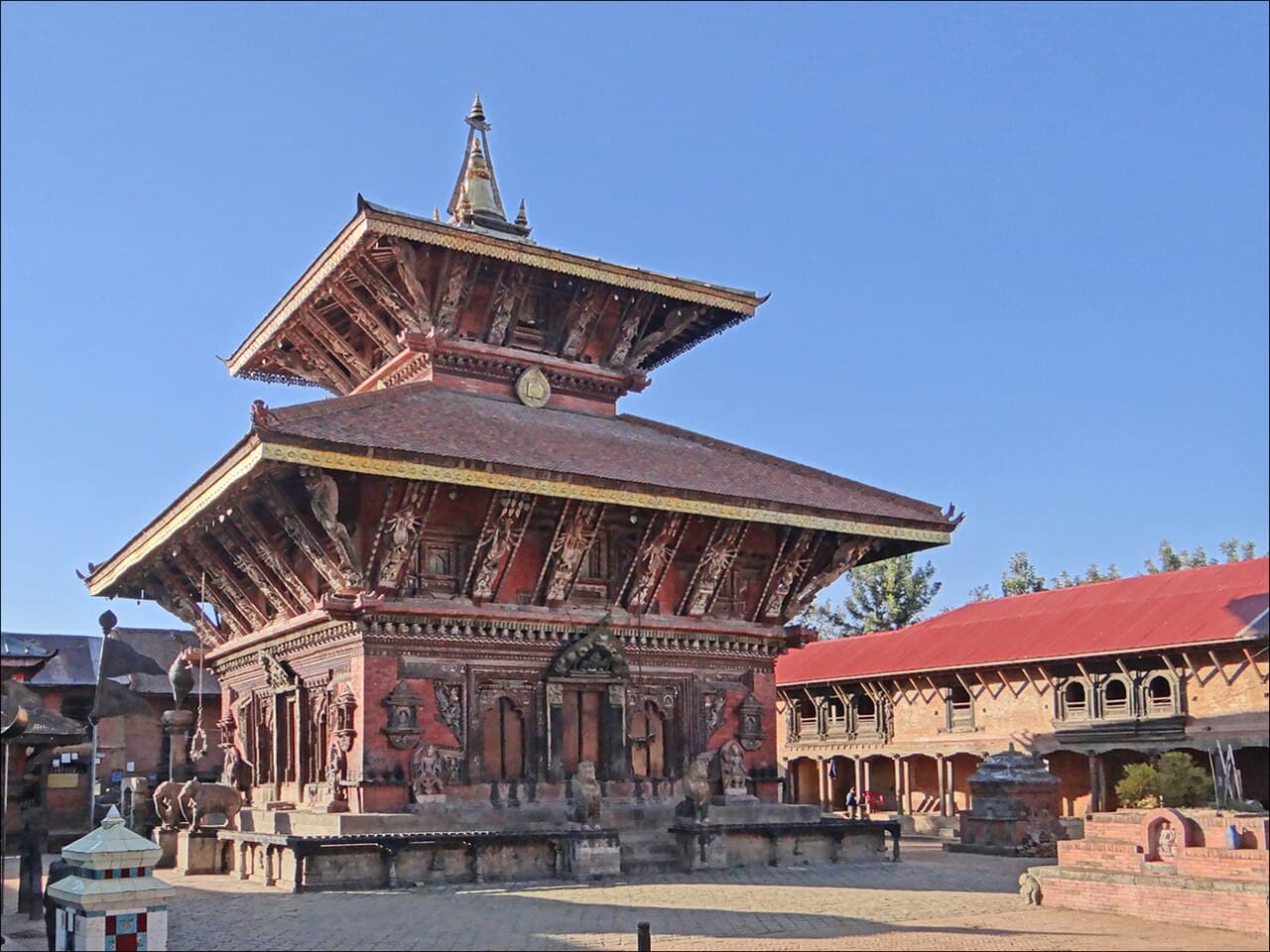
Changu Narayan Temple
1,540 m
BHAKTAPUR DISTRICT

Changu Narayan Temple

“Champakagiri Narayan”

Widely recognized as the oldest Hindu temple in continuous use in Nepal, home to 5th-century stone inscriptions.

Architecture StyleAncient Lichhavi Pagoda Style
LocationChangunarayan Ridge, Bhaktapur
Best SeasonAutumn & Spring
Main FestivalChangu Narayan Jatra & Haribodhini Ekadashi
Explore Heritage
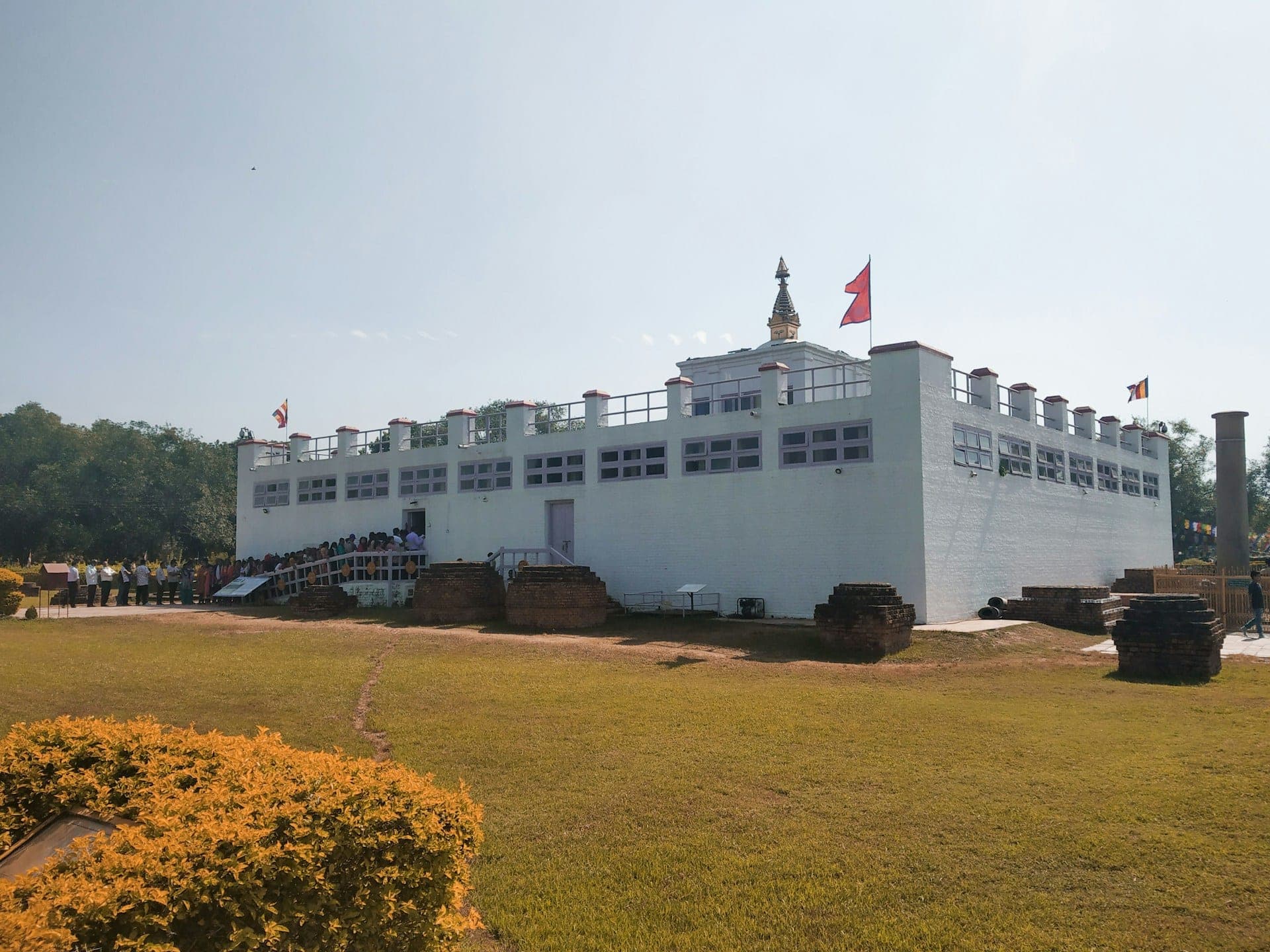
Lumbini Sacred Birthplace
150 m
RUPANDEHI DISTRICT

Lumbini Sacred Birthplace

“Lumbini Sacred Garden & Maya Devi Temple”

The world-famous birthplace of Lord Buddha, housing the Maya Devi Temple, Ashoka Pillar, and ancient brick ruins.

Architecture StyleAncient Buddhist Pilgrimage Site
LocationLumbini Cultural Zone
Best SeasonAutumn & Winter
Main FestivalBuddha Jayanti
Explore Heritage
Beyond the Basics

Heritage Sites of Nepal: A Visitor's Overview

How Nepal's monuments were built, what they mean to the communities who still use them, and how to visit without causing harm.

What Counts as Heritage in Nepal

Nepal's heritage spans archaeological sites, palace complexes, temple towns, and natural landscapes. Ten properties are inscribed on the UNESCO World Heritage list: seven monument zones in the Kathmandu Valley, plus Lumbini, Chitwan National Park, and Sagarmatha National Park.

Beyond the inscribed sites, hundreds of smaller monuments are protected nationally, from medieval hilltop forts to Buddhist cave complexes in Mustang and Dolpa. Many are still in daily use, which is why conservation here has to balance worship, tourism, and the safety of aging structures.

The Kathmandu Valley's Malla Legacy

The three durbar squares of Kathmandu, Patan, and Bhaktapur were the seats of rival Malla kingdoms from the twelfth to the eighteenth century. Each square combines a royal palace with temples, tanks, and public spaces, and each developed its own style of carving and metalwork.

Newar architects and craftsmen worked in brick, timber, stone, and gilt copper, producing the tiered pagoda form now associated with Nepal. The 2015 earthquake damaged many of these structures, and rebuilding has relied heavily on traditional techniques and local craft families.

Sacred Sites Beyond the Valley

Lumbini, in the Terai, marks the traditional birthplace of the Buddha and holds monasteries built by several countries. Janakpur is linked to the Ramayana, while Muktinath draws both Hindus and Buddhists to a high Himalayan shrine, and the stupas of the Kathmandu Valley anchor Tibetan Buddhist practice.

Each region interprets its heritage differently. In the Terai the influence is strongly North Indian, in the mid-hills it is a mix of Hindu and Buddhist practice, and in the high mountains monasteries, mani walls, and dzongs reflect Tibetan cultural influence.

Conservation and Responsible Visits

Entry fees at protected monument zones usually fund conservation and site maintenance, so paying at the official counter matters. Restoration work is ongoing at several sites, and scaffolding or closed courtyards are a normal part of visiting rather than a reason to complain.

Do not climb on carved plinths, touch fragile woodwork, or remove stones or bricks as souvenirs. Buy crafts from local workshops, hire guides from the communities that own the sites, and avoid visiting during peak festival hours if you want to observe the monument without obstructing worship.