Sacred Sanctuaries

Explore Monasteries

Discover serene retreats, ancient heritage, and spiritual havens nestled among breathtaking landscapes.

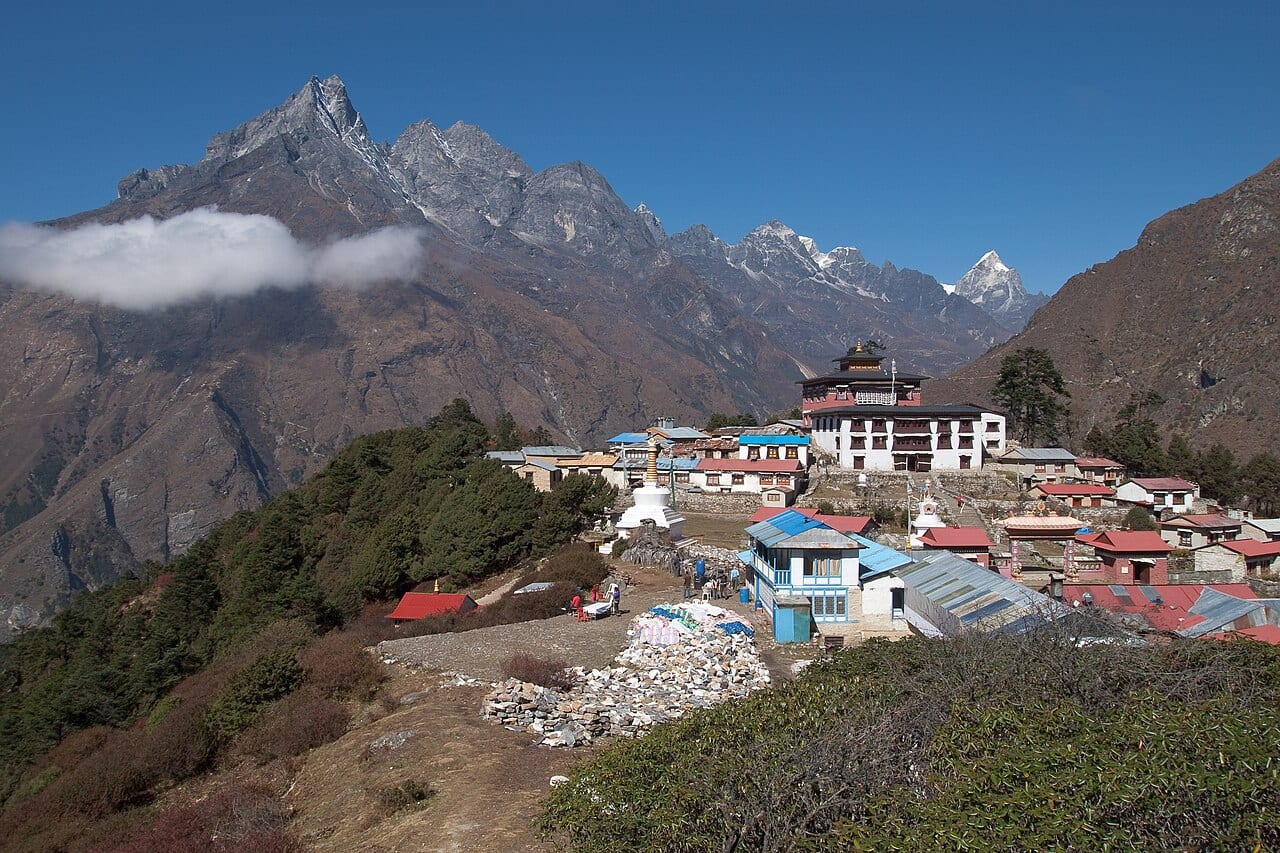
Tengboche Monastery
3,867 m
SOLUKHUMBU DISTRICT

Tengboche Monastery

“Dawa Choling Gompa”

Perched on a ridge facing Mt. Everest and Ama Dablam, Tengboche is the spiritual heart of the Sherpa community in Khumbu.

TraditionNyingma Tibetan
LocationTengboche, Khumbu
Best SeasonSpring & Autumn
Main FestivalMani Rimdu
Explore Monastery
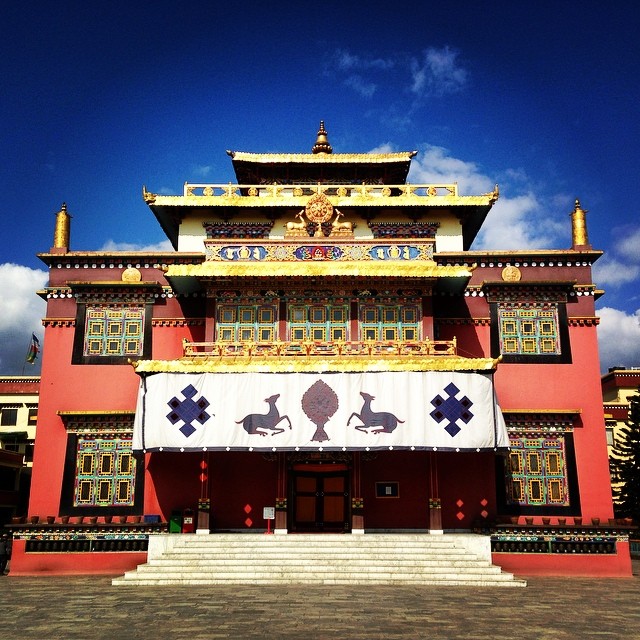
Kopan Monastery
1,380 m
KATHMANDU DISTRICT

Kopan Monastery

“Dhe-Tsang Gelug Monastery”

World-renowned hilltop monastery and international meditation sanctuary overlooking the Kathmandu Valley.

TraditionGelug Tibetan
LocationKopan Hill, Kathmandu
Best SeasonYear-Round
Main FestivalLosar & Lamrim Courses
Explore Monastery
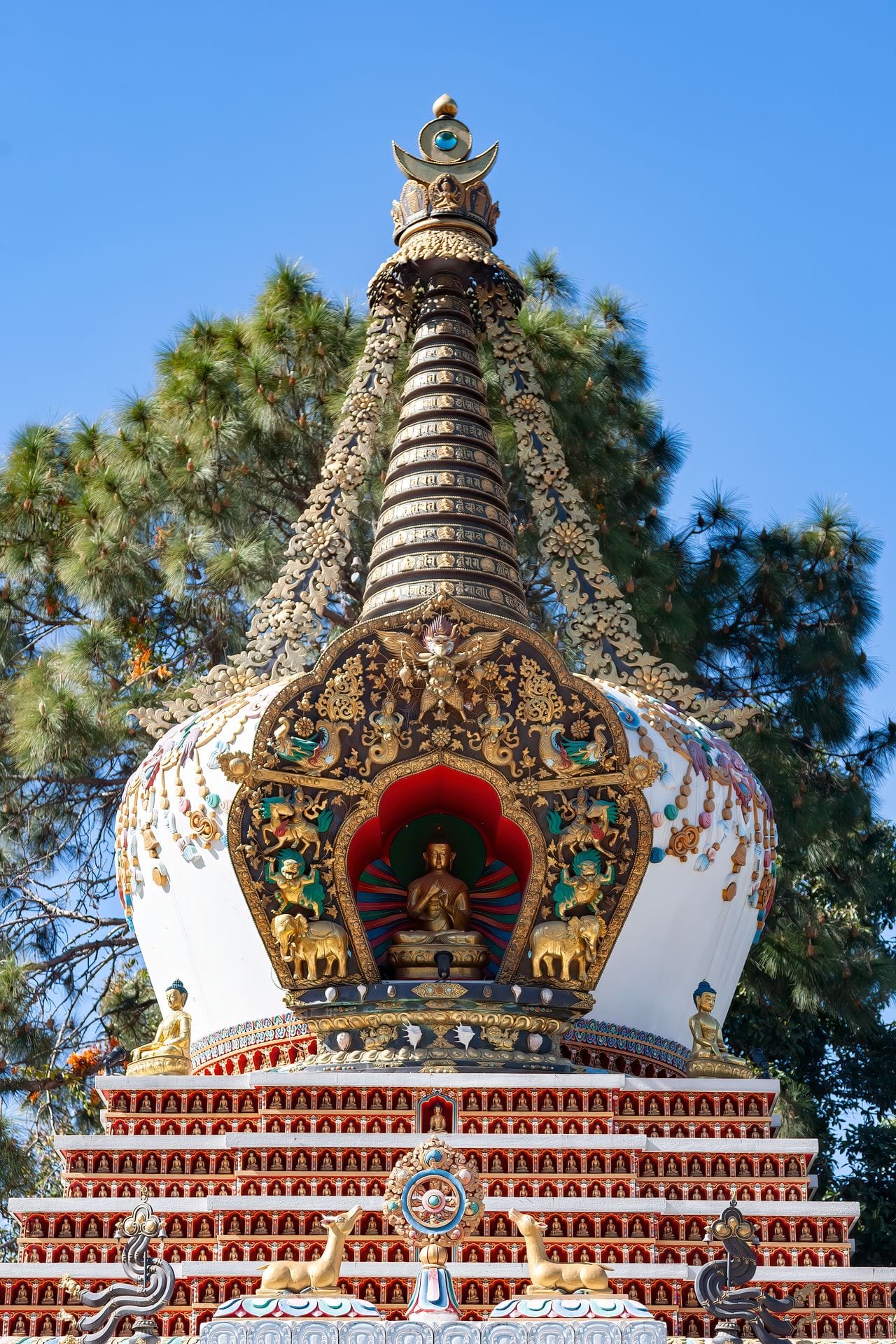
Thrangu Tashi Yangtse
1,750 m
KAVREPALANCHOK DISTRICT

Thrangu Tashi Yangtse

“Namo Buddha Monastery”

Sacred pilgrimage destination marking the ancient spot where the Bodhisattva offered his body to feed a starving tigress.

TraditionKagyu Lineage
LocationNamo Buddha, Kavre
Best SeasonYear-Round
Main FestivalLhababab Duchen & Buddha Jayanti
Explore Monastery
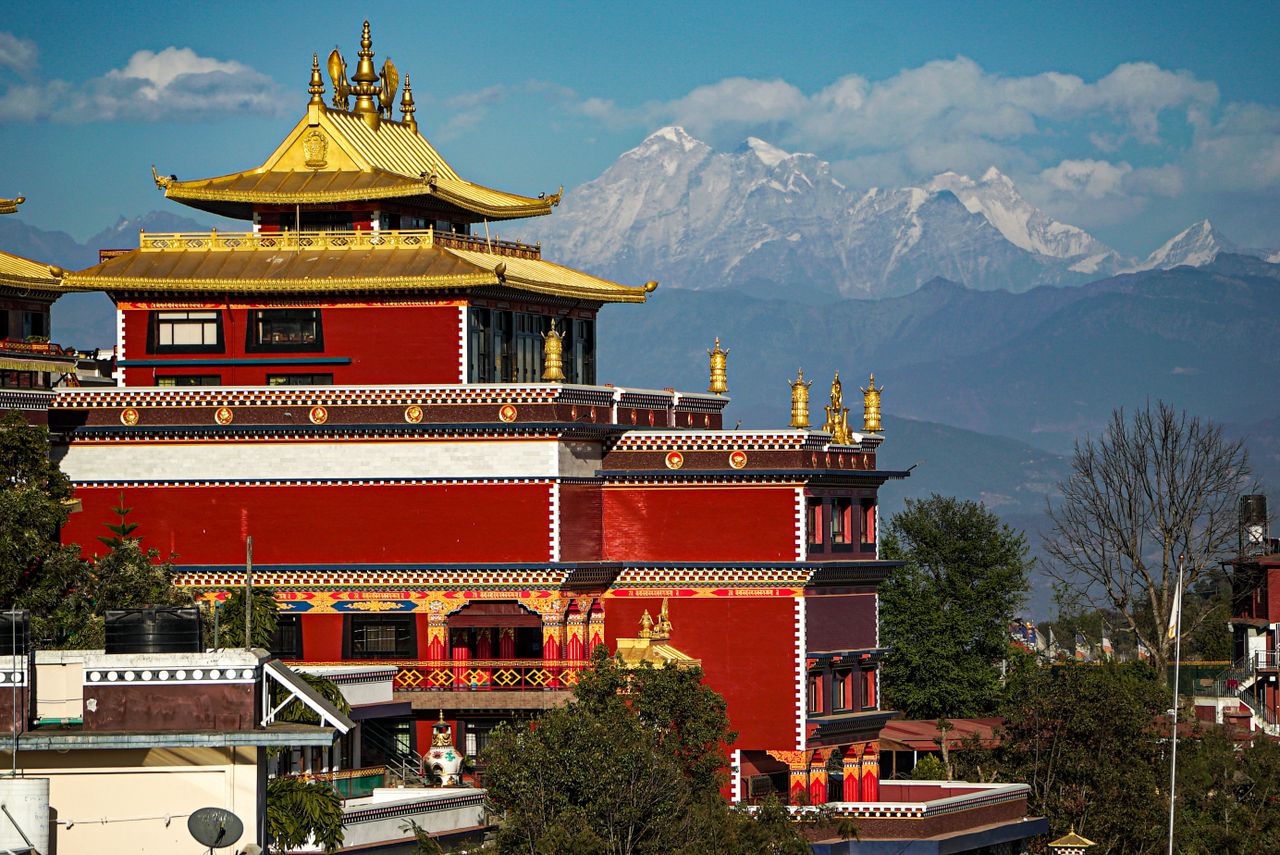
Shechen Monastery
1,350 m
KATHMANDU DISTRICT

Shechen Monastery

“Shechen Tennyi Dargyeling”

Founded by Dilgo Khyentse Rinpoche near Boudhanath, Shechen is a premier center for sacred arts, philosophy, and monastic dance.

TraditionNyingma Lineage
LocationBoudhanath, Kathmandu
Best SeasonYear-Round
Main FestivalTshechu Sacred Mask Dance
Explore Monastery
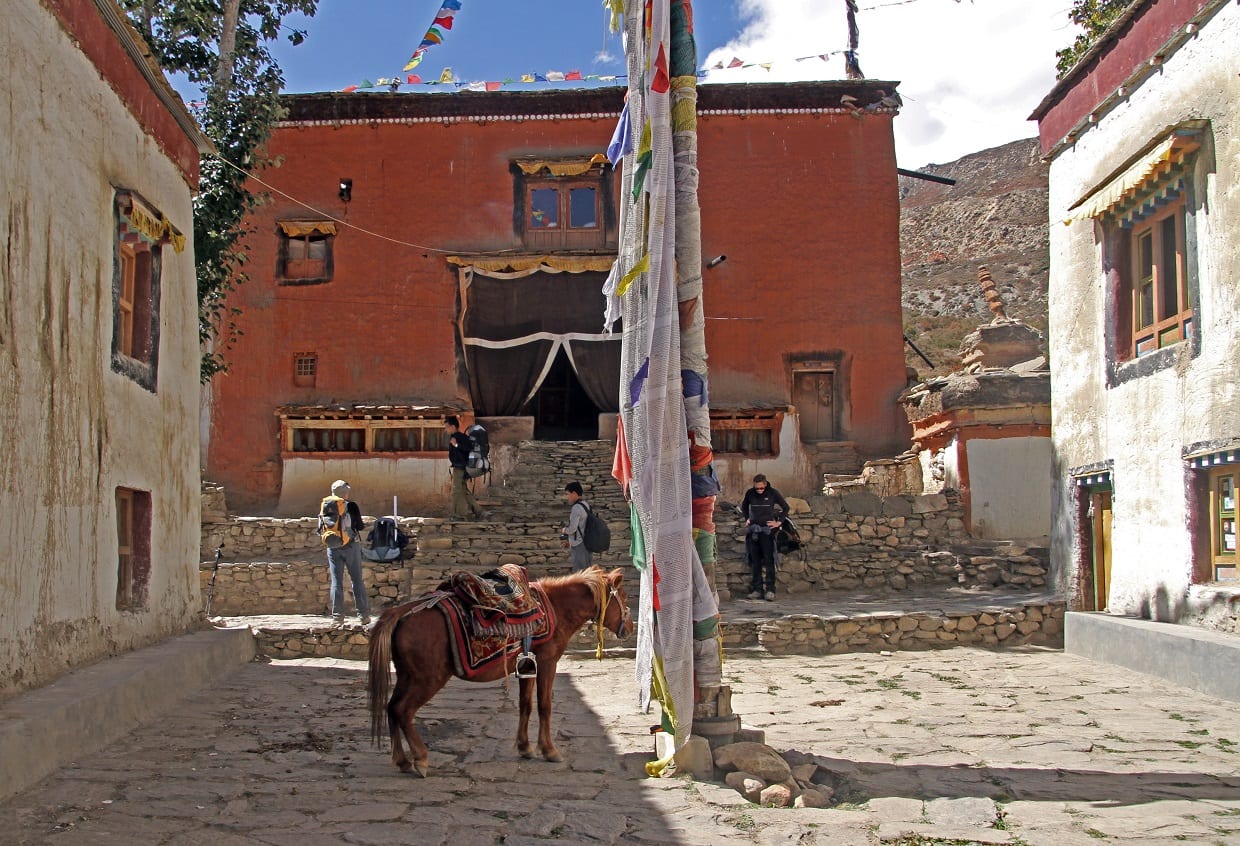
Lo Gekar Monastery
3,950 m
MUSTANG DISTRICT

Lo Gekar Monastery

“Ghar Gompa”

Built in the 8th century by Guru Rinpoche, Lo Gekar is widely considered one of the oldest active monasteries in the world.

TraditionNyingma Lineage
LocationUpper Mustang
Best SeasonSpring to Autumn
Main FestivalUpper Mustang Pilgrimage Festivals
Explore Monastery
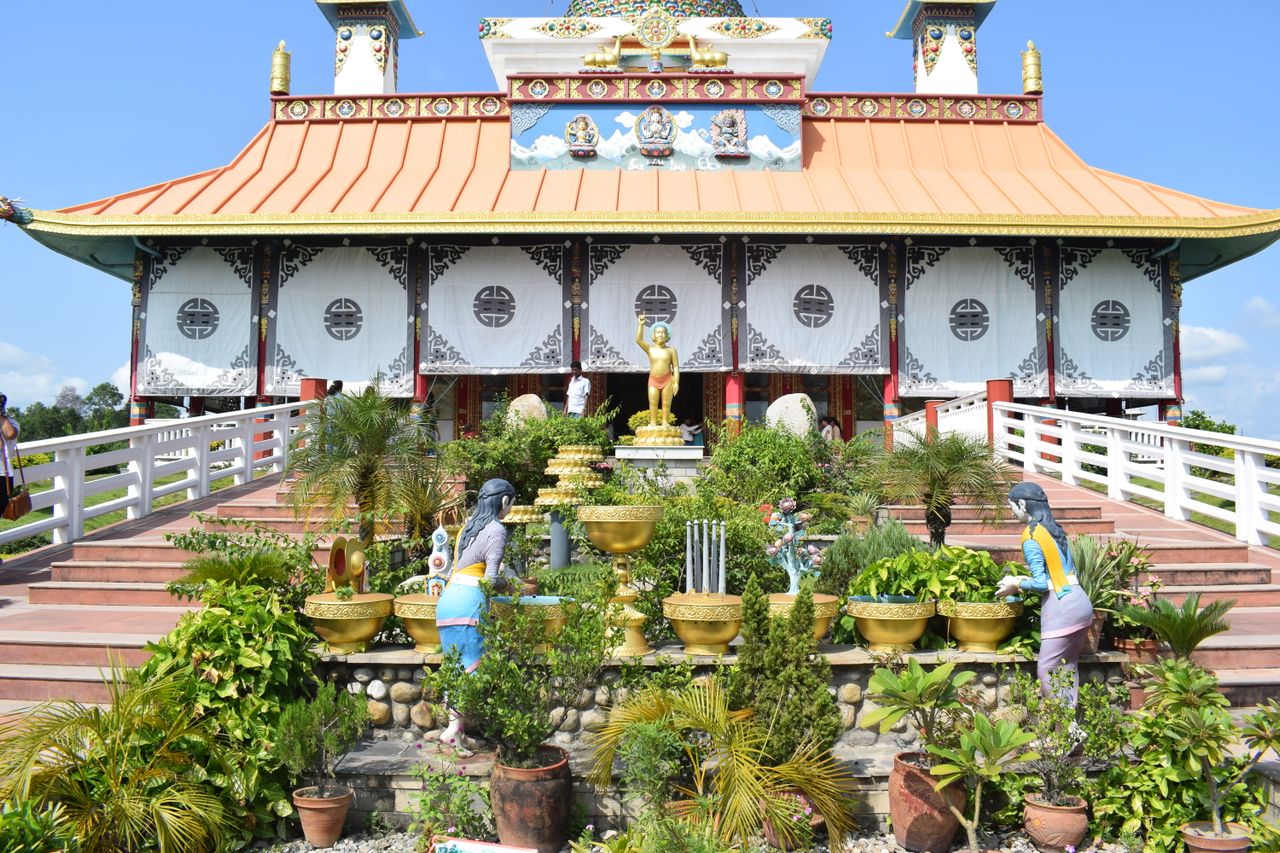
Lumbini Sacred Monastic Zone
150 m
RUPANDEHI DISTRICT

Lumbini Sacred Monastic Zone

“Maya Devi & International Gompas”

The world-famous birthplace of Lord Buddha, housing over 25 international monasteries built by Buddhist nations across the globe.

TraditionPan-Buddhist Traditions
LocationLumbini Cultural Zone
Best SeasonAutumn & Winter
Main FestivalBuddha Jayanti
Explore Monastery
Beyond the Basics

A Guide to Nepal's Monasteries

What to expect, when to visit, and how to behave in a working Buddhist monastery.

Monasteries in Nepal: An Introduction

Nepal's monasteries, or gompas, are centres of Buddhist study, ritual, and community life. They are found across the Himalayan belt, from the crowded Kathmandu Valley to remote valleys in Solukhumbu, Manang, Mustang, and Dolpa, and they belong to different schools including Nyingma, Kagyu, Sakya, and Gelug.

Many monasteries double as schools, clinics, and guesthouses for pilgrims. The daily rhythm is set by prayer sessions, meals, and study, and visitors are welcome as long as they remember that practice comes before tourism.

What to Expect Inside

The main prayer hall usually holds a large Buddha statue, rows of low cushions for monks, painted thangkas, and shelves of wrapped scriptures. Butter lamps, bells, drums, and long horns are used in ceremonies, and the air carries the smell of juniper and butter.

Photography rules vary. Always ask before taking pictures of monks or ceremonies, never use flash during prayer, and do not touch statues, ritual objects, or manuscripts. Walk clockwise around the hall and around stupas outside.

Festivals, Courses, and Retreats

Major festivals include Mani Rimdu in the Khumbu, Losar at the Tibetan new year, and various masked dance ceremonies held in autumn and spring. Dates follow the Tibetan lunar calendar, so check locally rather than relying on fixed dates.

Several monasteries run meditation courses for foreigners, ranging from a weekend introduction to month-long retreats. Courses usually include simple accommodation, vegetarian food, and a daily schedule of sitting, walking, and teaching.

Planning a Respectful Visit

Dress modestly, remove shoes and hats before entering a prayer hall, and keep voices low. Turn off phones, avoid pointing your feet at the altar, and do not step over monks or worshippers who are seated on the floor.

Bring cash for donations and small purchases, and carry out all plastic waste. Altitude affects some monasteries, so allow time to acclimatise, especially in the Khumbu and Mustang regions.