







Nepal's Trekking Peaks

Accessible 5,000m and 6,000m summits for aspiring mountaineers.

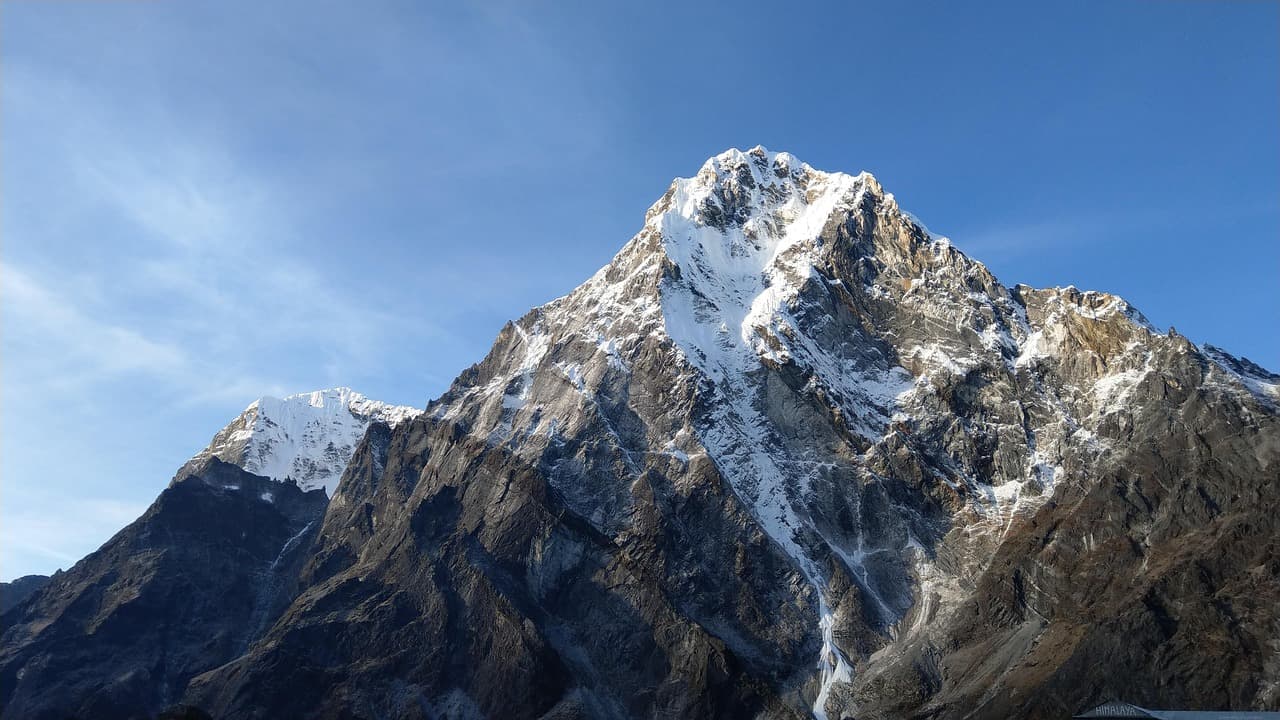
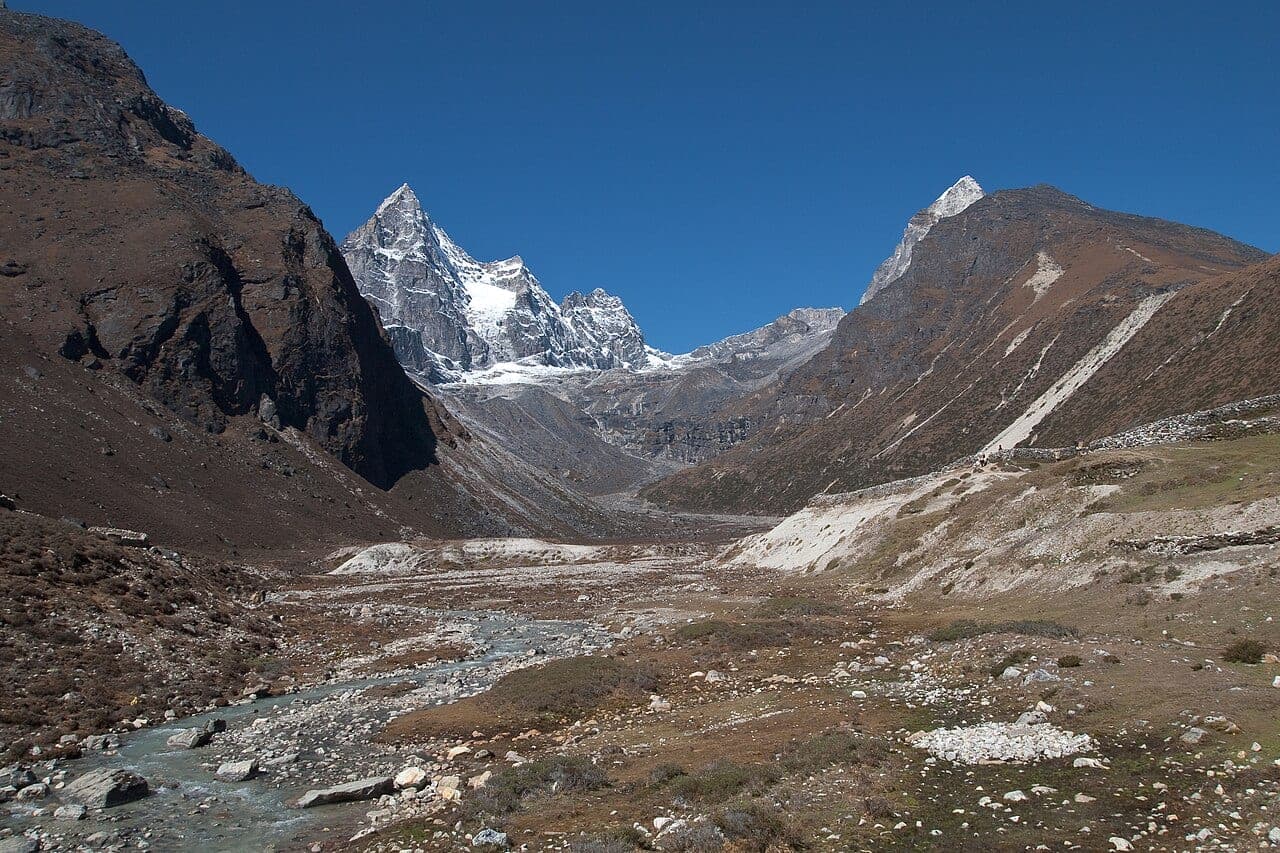
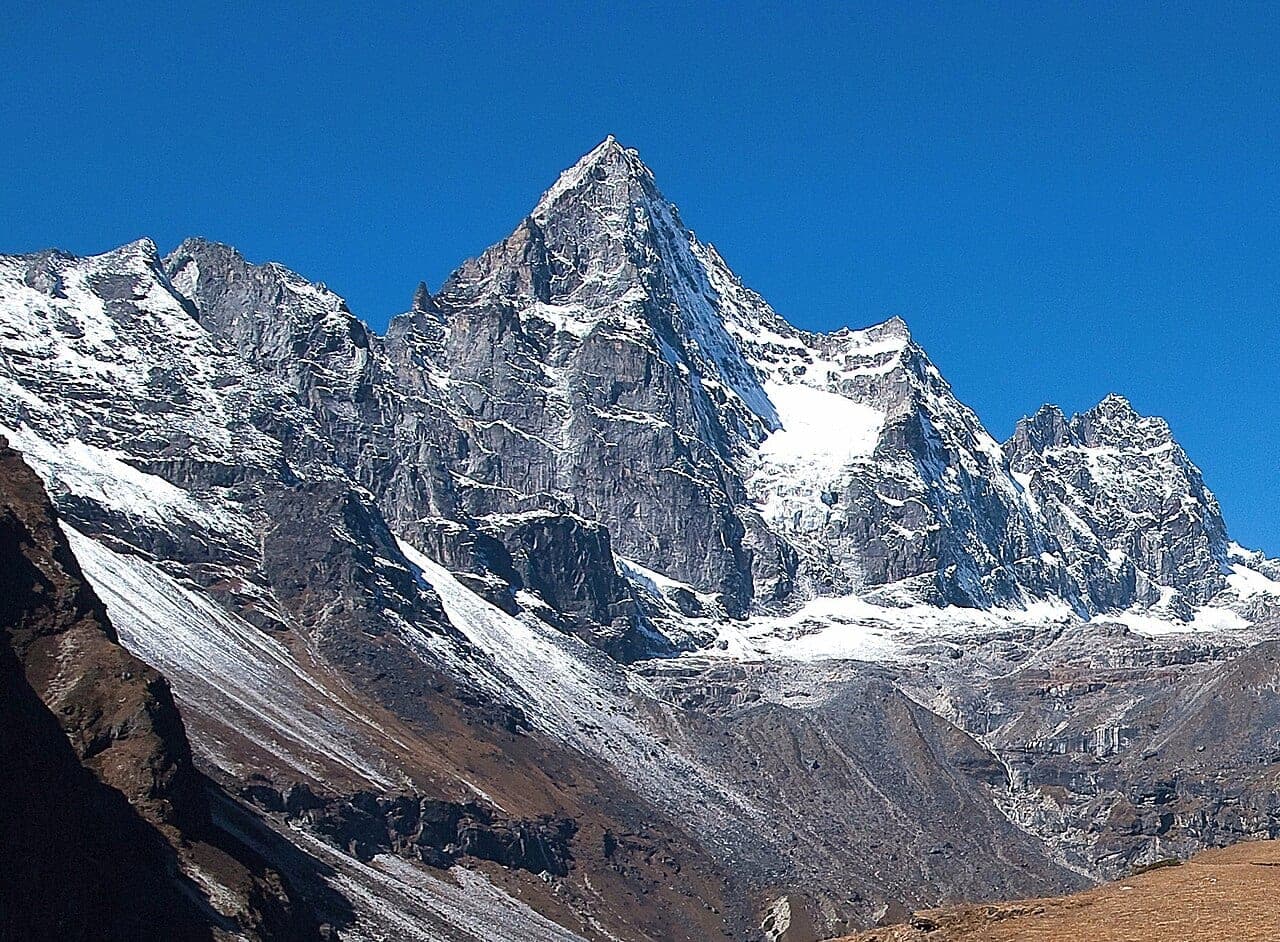
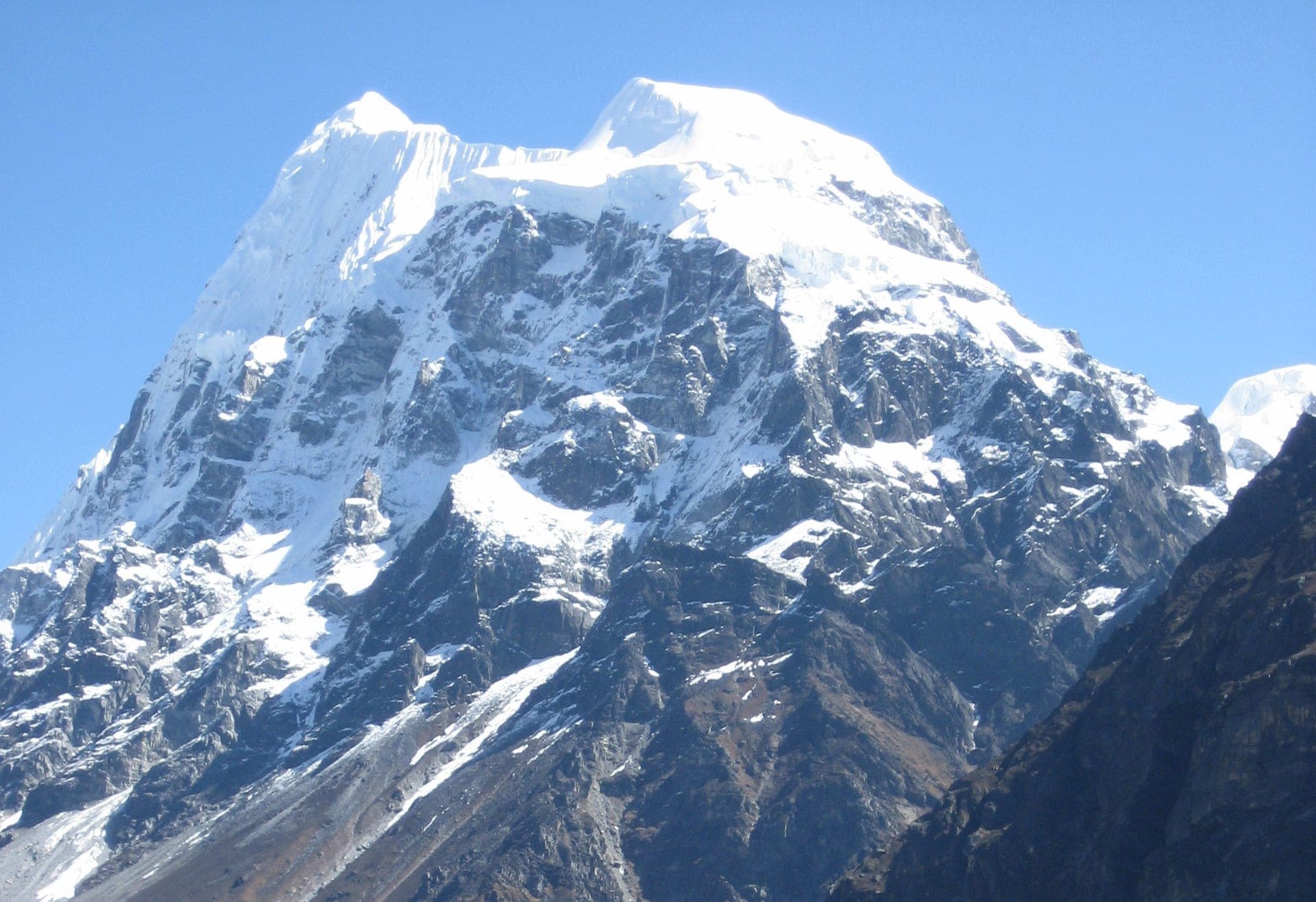
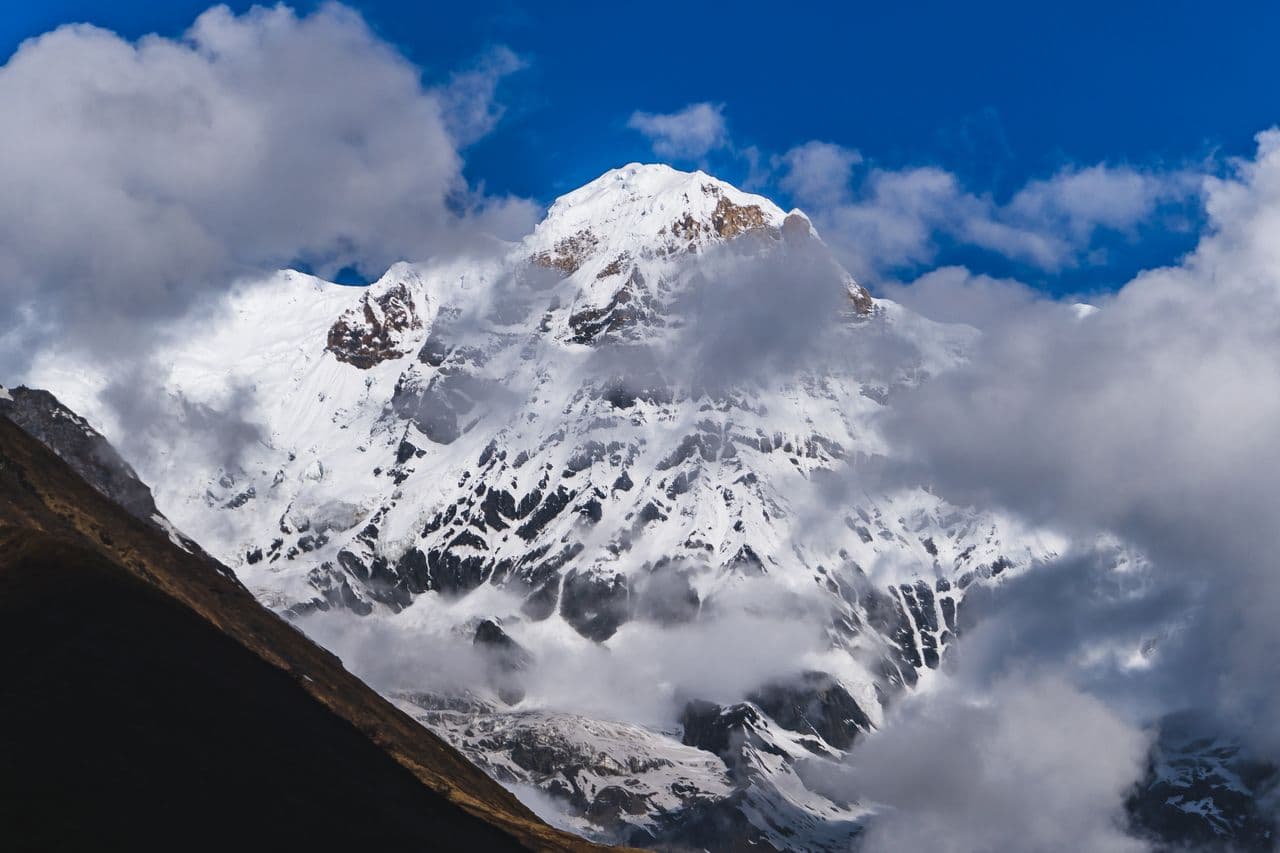
Cholatse
6,440 m
SOLUKHUMBU DISTRICT

Cholatse

""Jobo Lhaptshan""

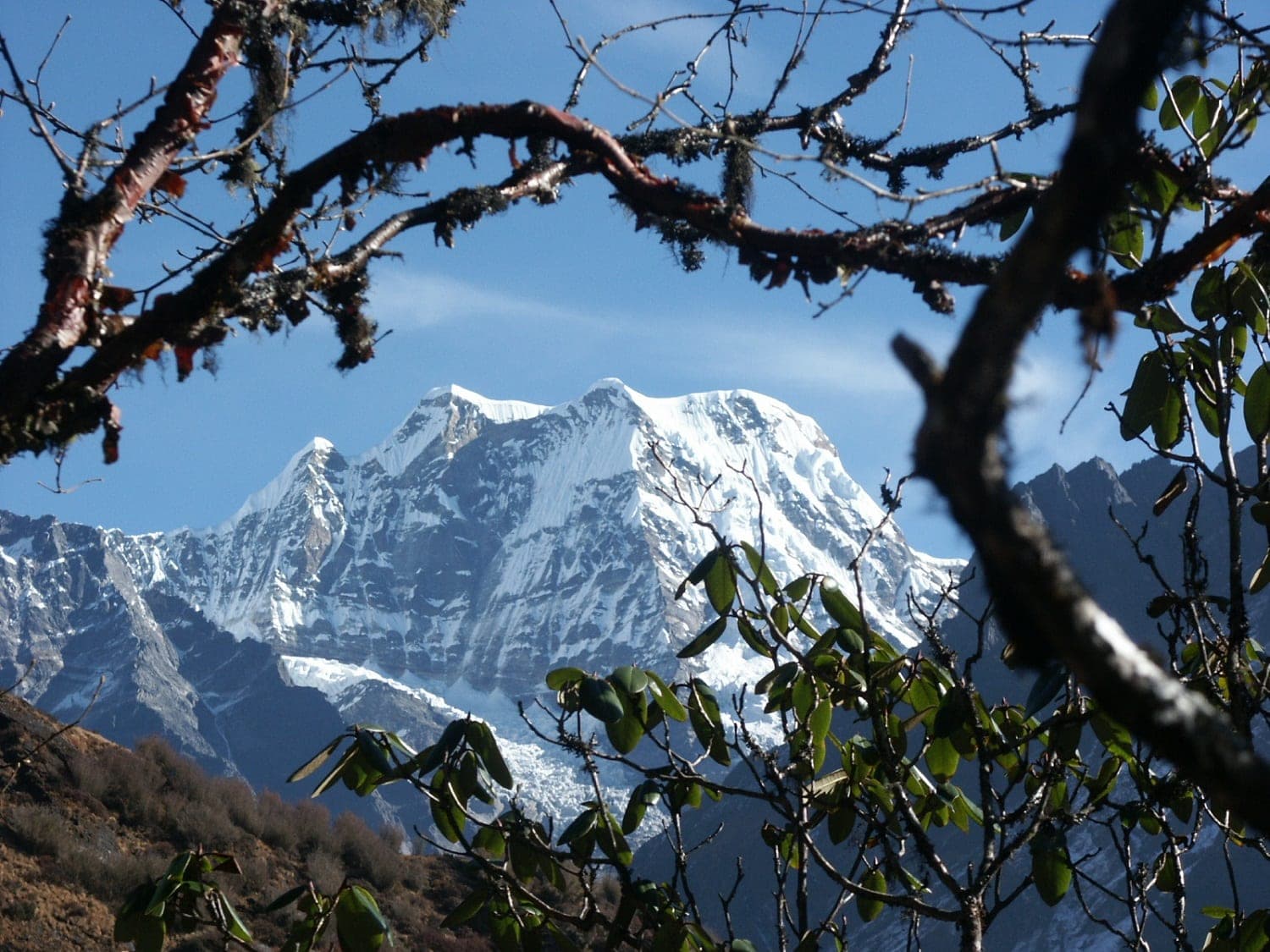
Machermo
6,273 m
SOLUKHUMBU DISTRICT

Machermo

""Machhermo Peak""

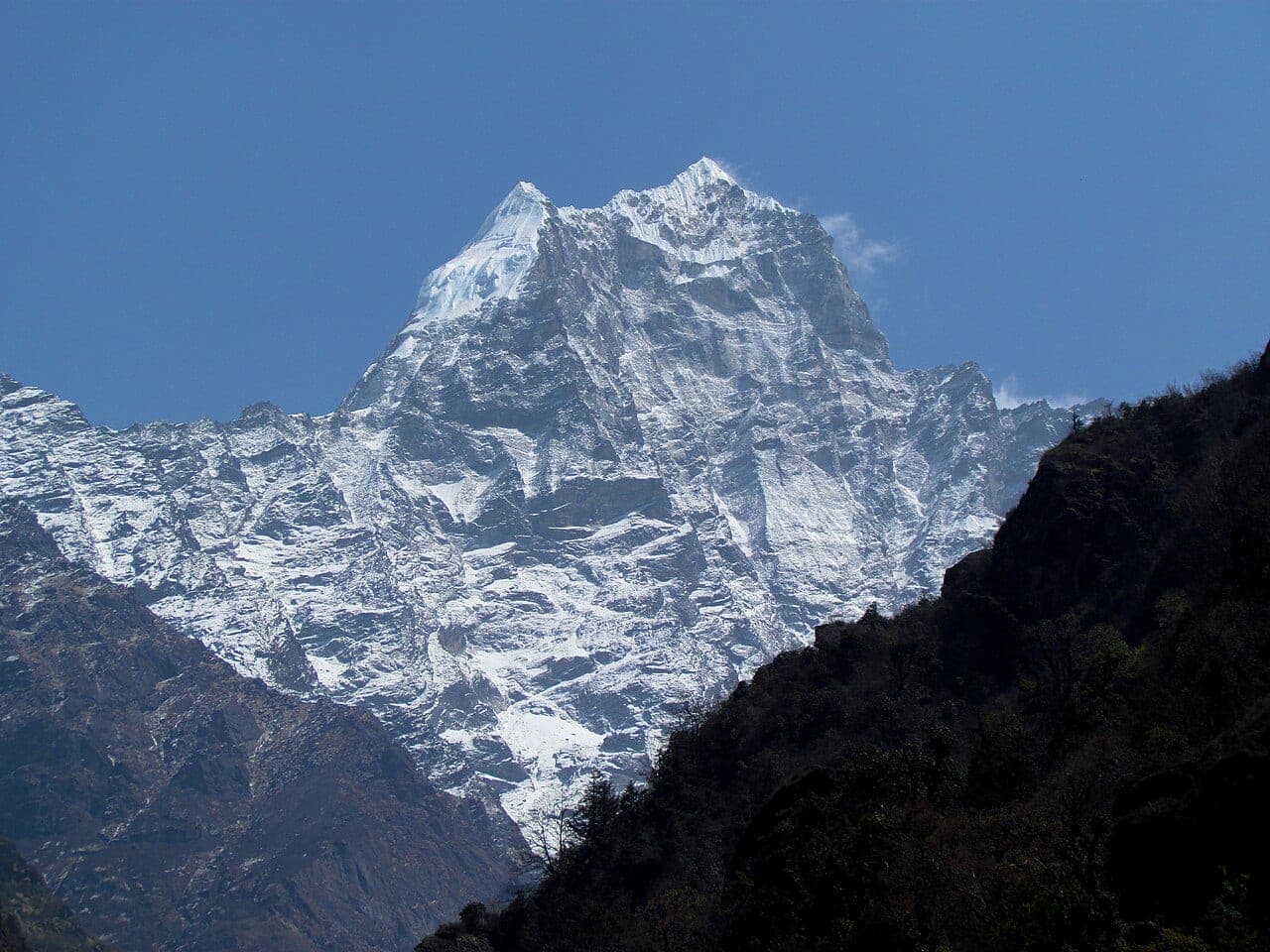
Kyazo Ri
6,186 m
SOLUKHUMBU DISTRICT

Kyazo Ri

""The Jewel of Kyajo Valley""

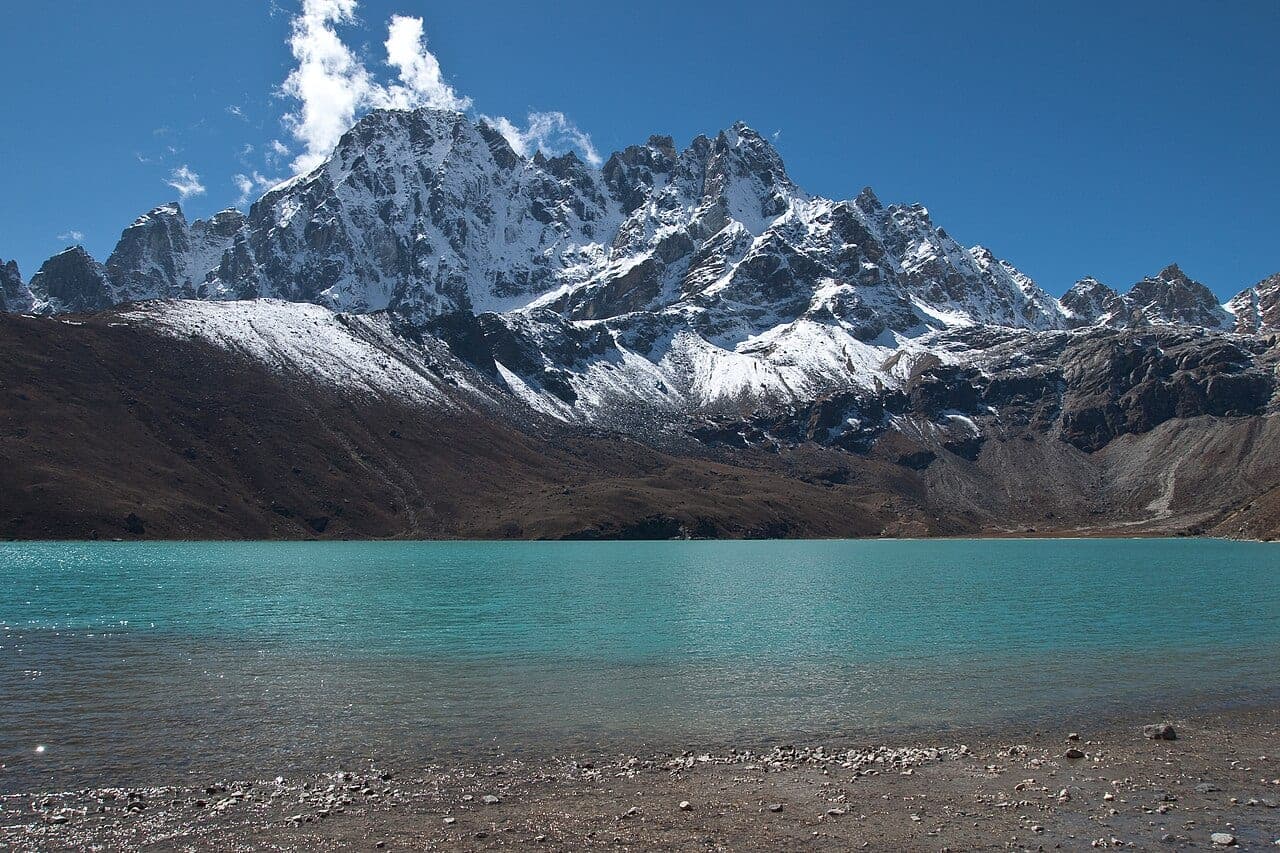
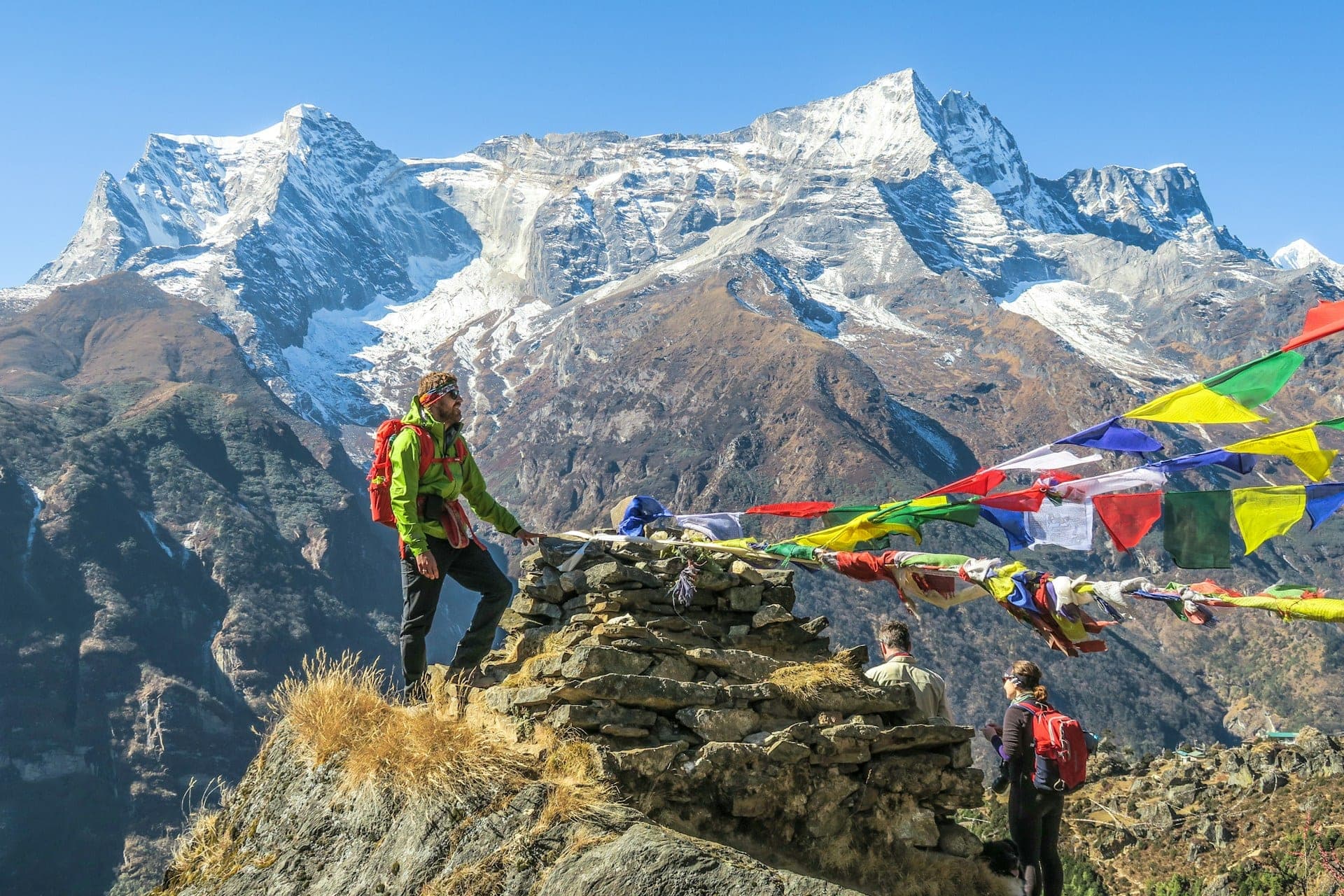
Phari Lapcha
6,017 m
SOLUKHUMBU DISTRICT

Phari Lapcha

""The Peak of Gokyo Pass""

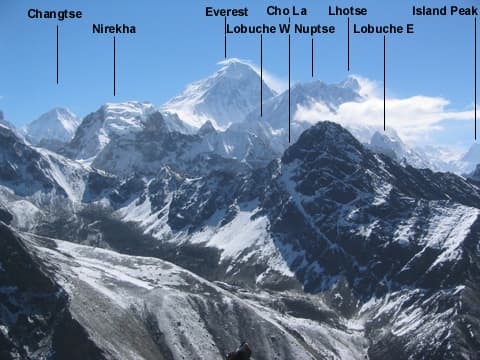
Nirekha
6,159 m
SOLUKHUMBU DISTRICT

Nirekha

""The Cho La Twin Peak""

Langsisa Ri
6,427 m
RASUWA DISTRICT

Langsisa Ri

""The Jewel of Langtang""

Ombigaichen
6,340 m
SOLUKHUMBU DISTRICT

Ombigaichen

""The Ama Dablam Neighbour""

Bokta
6,143 m
TAPLEJUNG DISTRICT

Bokta

""Bokta Peak""

Chekigo
6,257 m
DOLAKHA DISTRICT

Chekigo

""Gaurishankar Valley Jewel""

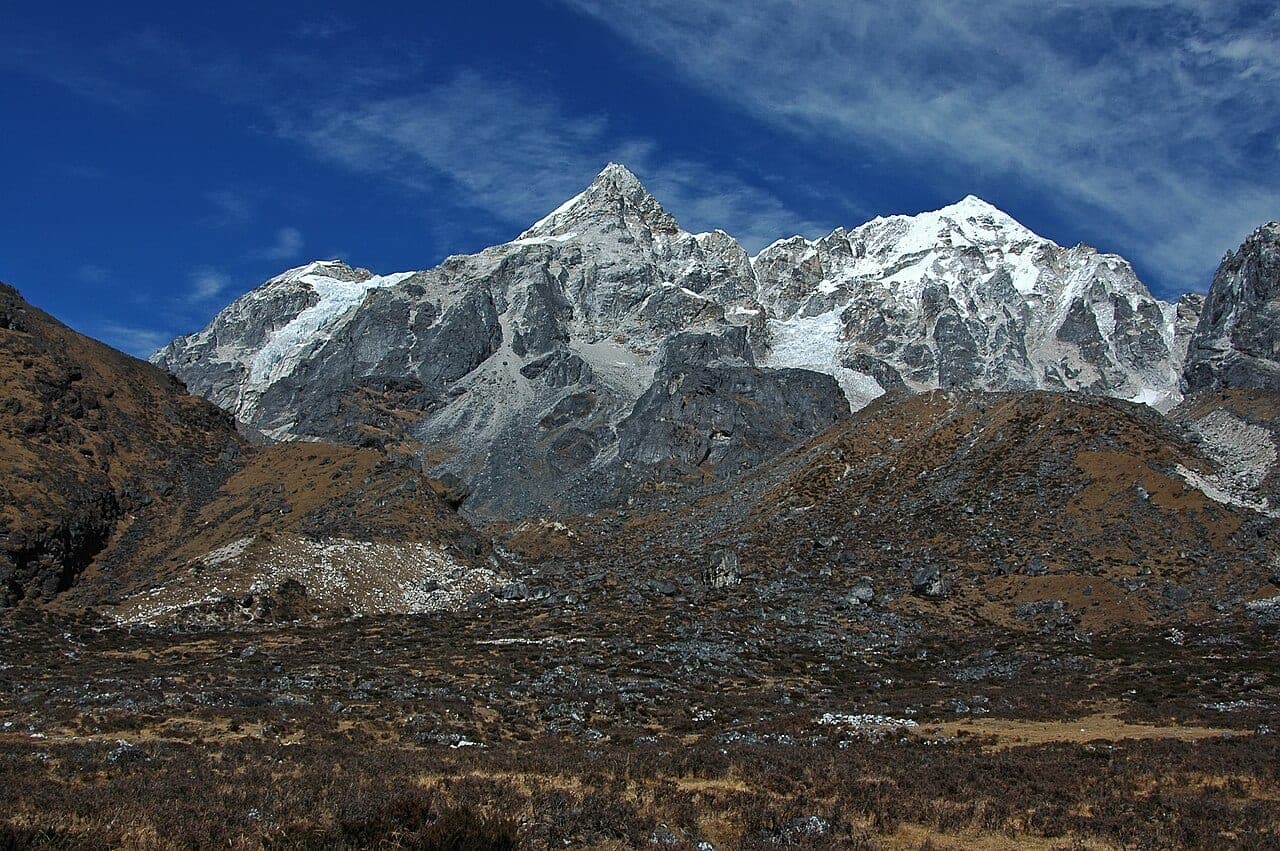
Lobuje West
6,145 m
SOLUKHUMBU DISTRICT

Lobuje West

""Lobuche West""

Api
7,132 m
DARCHULA DISTRICT

Api

""Monarch of Far-West Nepal""

Yubra Himal
6,035 m
RASUWA DISTRICT

Yubra Himal

""Langtang Sentinel""

Chhukung Ri
5,550 m
SOLUKHUMBU DISTRICT

Chhukung Ri

""The Viewpoint Peak""

Yala Peak
5,520 m
RASUWA DISTRICT

Yala Peak

""The Gateway Peak of Langtang""

Hiunchuli
6,441 m
KASKI DISTRICT

Hiunchuli

""Guardian of the Sanctuary""

Singu Chuli
6,501 m
KASKI DISTRICT

Singu Chuli

""Fluted Peak""

Mera Peak
6,476 m
SOLUKHUMBU DISTRICT

Mera Peak

""Nepal's Highest Trekking Peak""

Kusum Kangru
6,367 m
SOLUKHUMBU DISTRICT

Kusum Kangru

""The Triple Snow Peaks""

Kwangde
6,011 m
SOLUKHUMBU DISTRICT

Kwangde

""Kwangde Ri""

Chulu West
6,419 m
MANANG DISTRICT

Chulu West

""The Gem of Manang Valley""

Chulu East
6,584 m
MANANG DISTRICT

Chulu East

""Manang Sky Peak""

Imja Tse (Island Peak)
6,189 m
SOLUKHUMBU DISTRICT

Imja Tse (Island Peak)

""The Island in a Sea of Ice""

Parchemuche
6,187 m
DOLAKHA / SOLUKHUMBU

Parchemuche

""Parchamo Peak""

Lobuje (Lobuche East)
6,119 m
SOLUKHUMBU DISTRICT

Lobuje (Lobuche East)

""The Classic Khumbu Peak""

Ramdung
5,925 m
DOLAKHA DISTRICT

Ramdung

""Ramdung Go""

Pisang Peak
6,091 m
MANANG DISTRICT

Pisang Peak

""The Pyramid of Manang""

Tharpu Chuli
5,663 m
KASKI DISTRICT

Tharpu Chuli

""Tent Peak""

Khongma Tse
5,820 m
SOLUKHUMBU DISTRICT

Khongma Tse

""Mera Peak""

Ganja La Chuli
5,844 m
RASUWA DISTRICT

Ganja La Chuli

""Naya Kanga""

Pokhalde
5,806 m
SOLUKHUMBU DISTRICT

Pokhalde

""Dolma Ri""

Mardi Himal
5,587 m
KASKI DISTRICT

Mardi Himal

""The Ridge of Annapurna""

Paldor Peak
5,896 m
DHADING DISTRICT

Paldor Peak

""The Ganesh Himal Sentinel""

Beyond the Basics

Trekking Peaks: Skills, Permits, and Seasons

A practical introduction to Nepal's designated trekking peaks.

What Is a Trekking Peak?

In Nepal, a trekking peak is a designated mountain, usually between 5,000 and 6,500 metres, that can be climbed by a small team with basic mountaineering equipment. The category is defined by permit rules rather than by difficulty, and some trekking peaks are steeper and more technical than others.

Most ascents combine a trekking approach with one or two days of glacier or snow climbing. That makes them an accessible route into Himalayan mountaineering, but they still require fitness, acclimatisation, and, on most routes, a licensed guide.

Permits and Costs

Climbing permits for designated trekking peaks are issued by the Nepal Mountaineering Association. The fee depends on the peak and the season, and it is separate from national park and conservation area entry fees.

A guided trip usually includes the permit, climbing equipment, porters, food, and accommodation. Budget extra for insurance, tips, and contingency days, and check exactly what your agency covers before comparing prices.

Skills and Preparation

You should be comfortable walking for several hours a day with a pack, moving on snow and ice with crampons, and using an ice axe and a harness. Many operators run a short skills day at base camp, but arriving with some prior experience makes the climb safer and more enjoyable.

Physical preparation should start months in advance with hill walking, stairs, and endurance training. Mental preparation matters too: summit day often starts before midnight and can take ten to fourteen hours round trip.

Best Seasons and Conditions

Spring and autumn are the standard seasons, with the clearest weather and the most reliable trail conditions. Spring is warmer and popular for higher peaks, while autumn offers stable air and superb views after the monsoon.

Winter ascents are possible on some lower peaks but demand extra cold-weather gear and experience. The monsoon brings deep snow, avalanche risk, and difficult access, so most teams avoid it entirely.

Responsible Climbing

Choose operators that provide insurance and fair pay for porters, limit group sizes, and follow waste-management rules. Carry out everything you carry in, use refillable water bottles, and avoid burning plastic at base camp.

Respect local culture on the approach: walk clockwise around mani walls and stupas, ask before photographing people, and keep prayer flags and shrines untouched. The villages along these routes are homes, not backdrops.