Divine Sanctuaries

Explore Temples of Nepal

Discover sacred shrines, ancient Pagodas, Shikhara architecture, and vibrant spiritual traditions across Nepal.

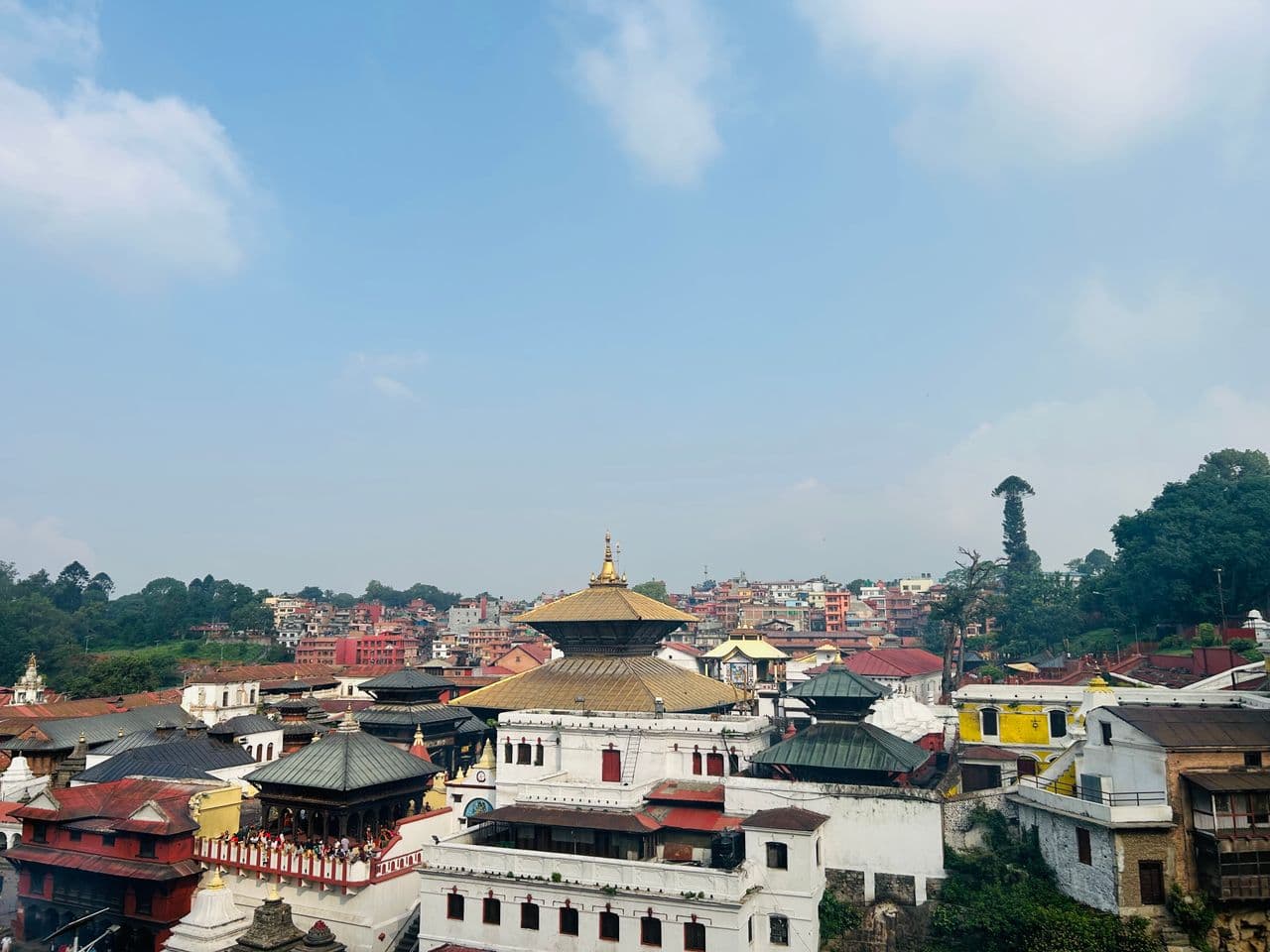
Pashupatinath Temple
1,400 m
KATHMANDU DISTRICT

Pashupatinath Temple

"श्री पशुपतिनाथ मन्दिर"

The most sacred Hindu temple in Nepal situated on the banks of the holy Bagmati River, dedicated to Lord Pashupatinath as lord of all animals.

Primary DeityLord Shiva (Pashupati)
ArchitectureDouble-roofed Nepalese Pagoda
LocationGaushala, Kathmandu
Main FestivalMaha Shivaratri
Explore Temple
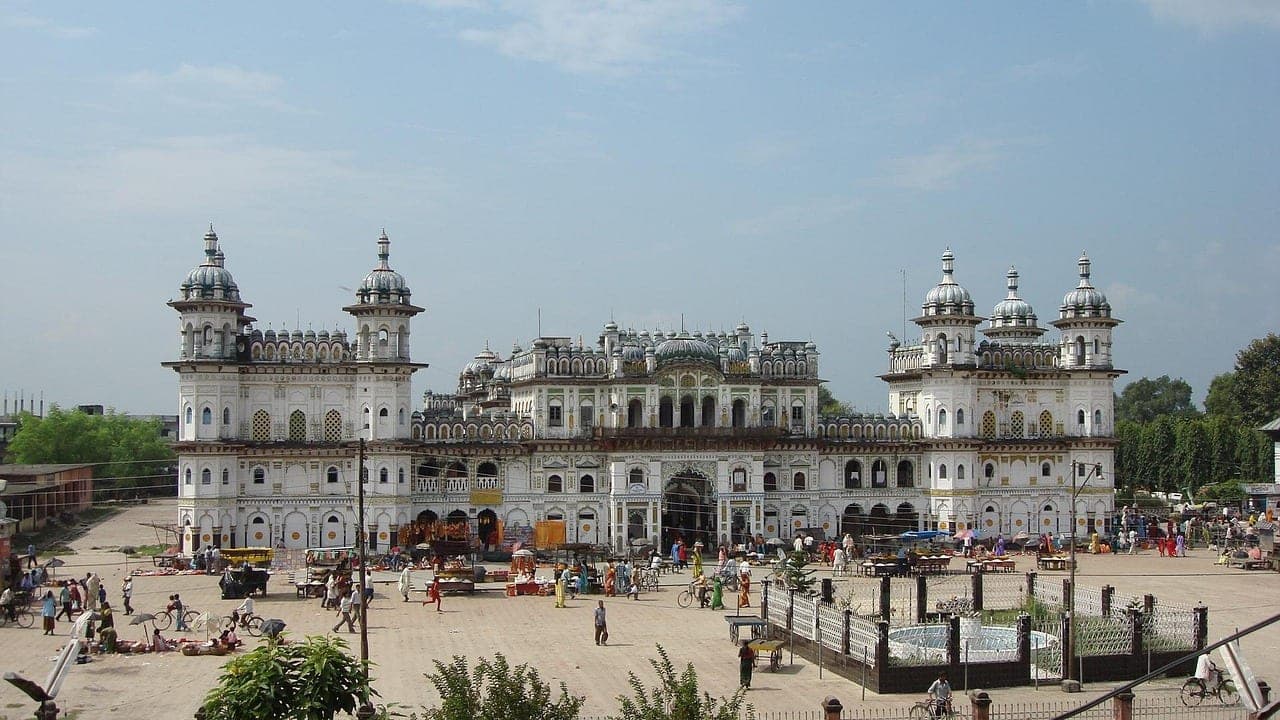
Janaki Mandir
74 m
DHANUSHA DISTRICT

Janaki Mandir

"श्री राम जानकी मन्दिर"

A majestic three-storied white marble palace-temple blending Rajput and Mughal architecture, commemorating the birthplace of Goddess Sita.

Primary DeityGoddess Sita & Lord Rama
ArchitectureMughal-Rajput Style
LocationJanakpurdham, Dhanusha
Main FestivalVivah Panchami
Explore Temple
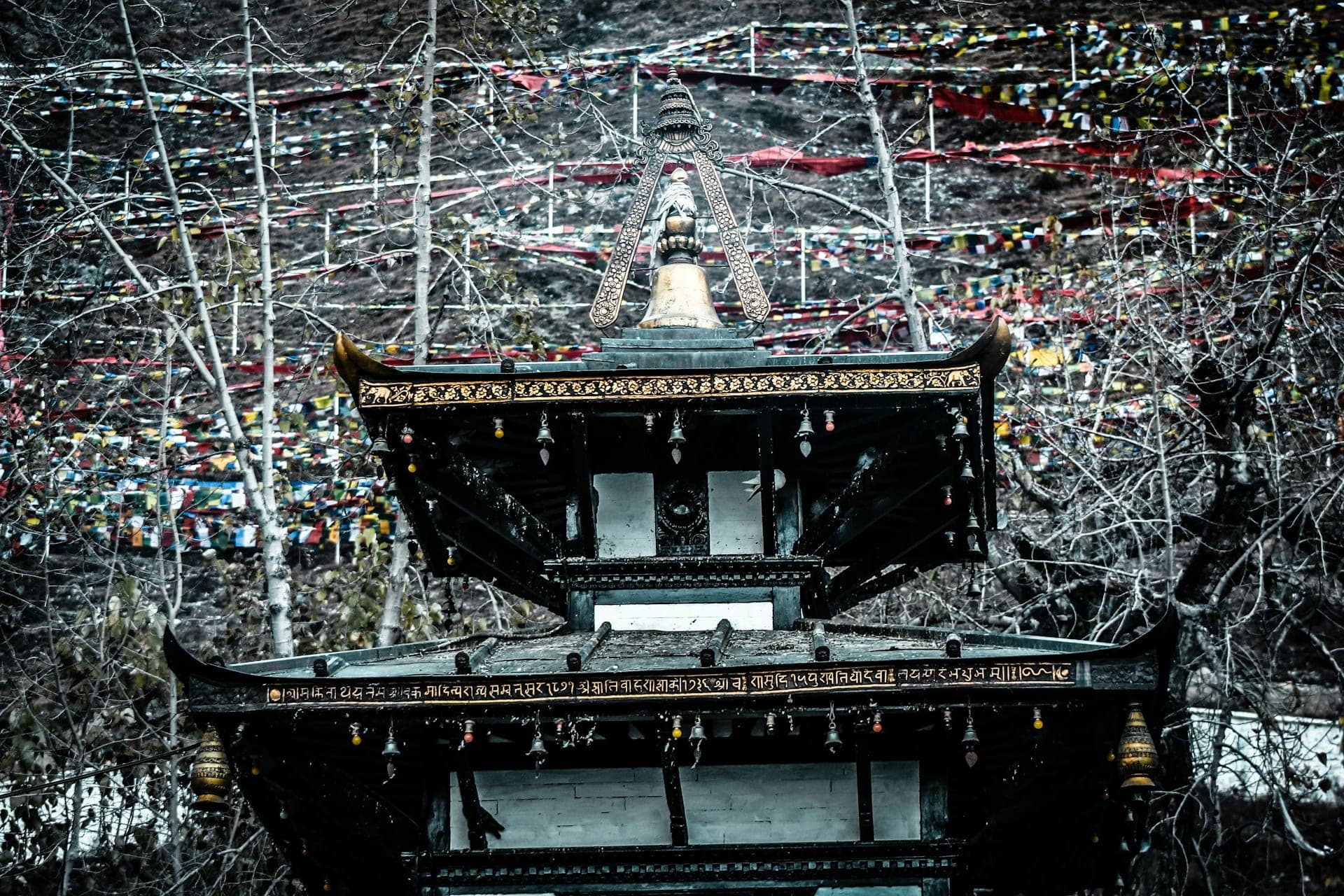
Muktinath Temple
3,710 m
MUSTANG DISTRICT

Muktinath Temple

"श्री मुक्तिनाथ धाम"

A sacred high-altitude sanctuary of salvation for both Hindus and Buddhists, famed for its 108 icy water spouts and eternal natural flame.

Primary DeityLord Vishnu (Muktinath) / Avalokiteshvara
ArchitecturePagoda Style
LocationMuktinath Valley, Mustang
Main FestivalJanai Purnima
Explore Temple
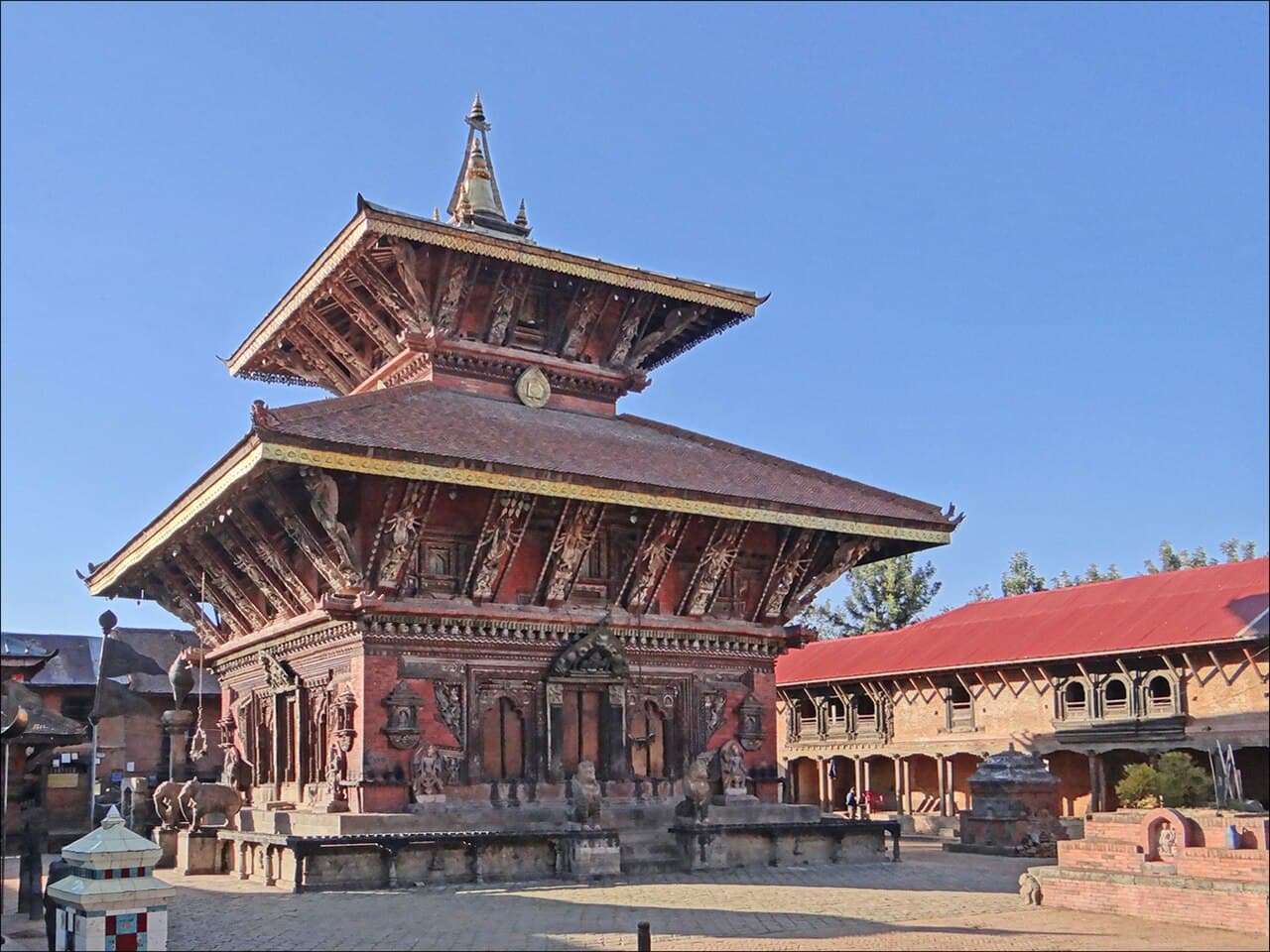
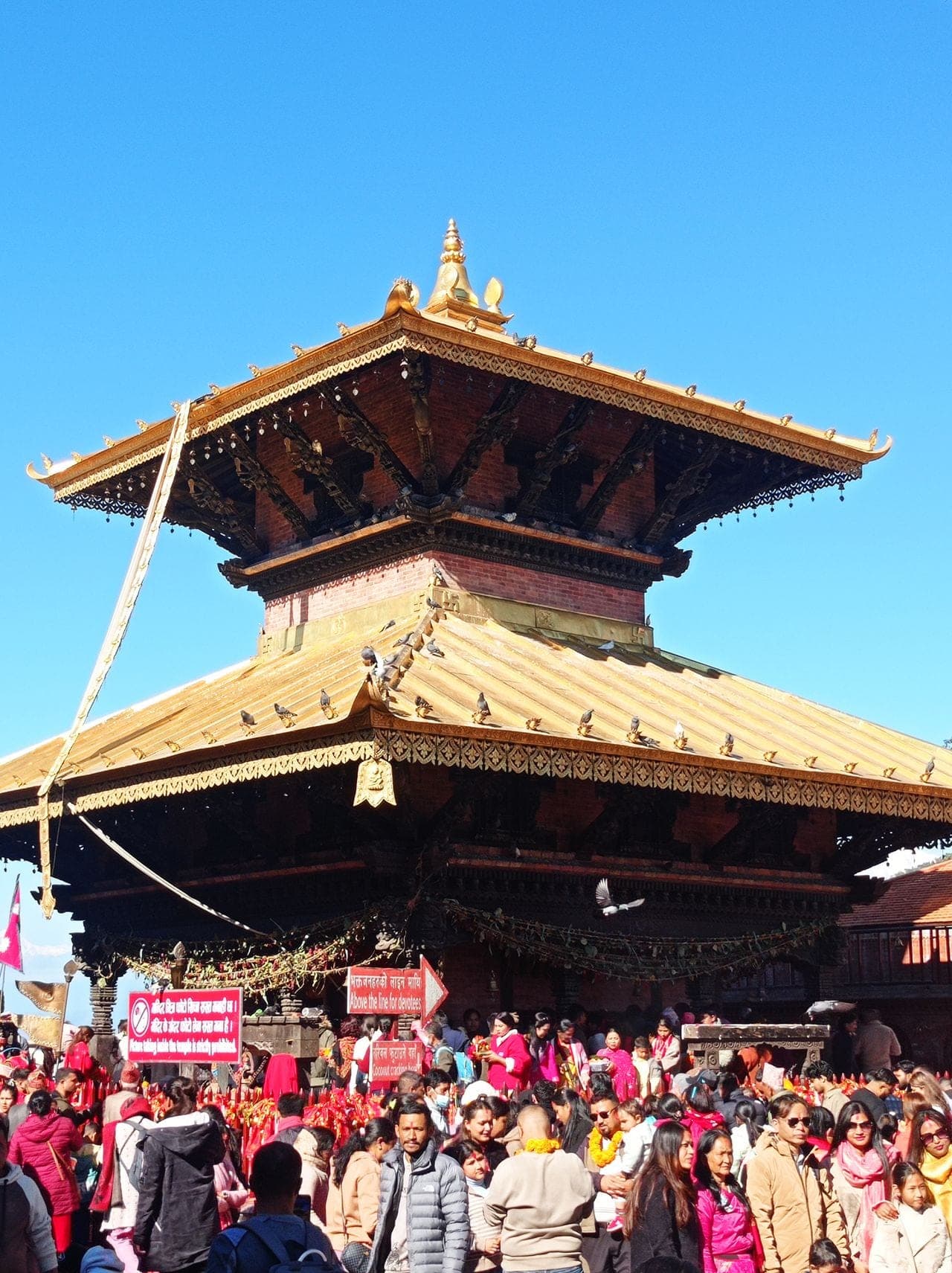
Changu Narayan Temple
1,540 m
BHAKTAPUR DISTRICT

Changu Narayan Temple

"श्री चाँगु नारायण मन्दिर"

Considered the oldest standing Hindu temple in Nepal, featuring 5th-century Lichhavi stone inscriptions and masterclass wood carvings.

Primary DeityLord Vishnu (Narayan)
ArchitectureTraditional Nepalese Pagoda
LocationChangunarayan, Bhaktapur
Main FestivalChangu Narayan Jatra
Explore Temple
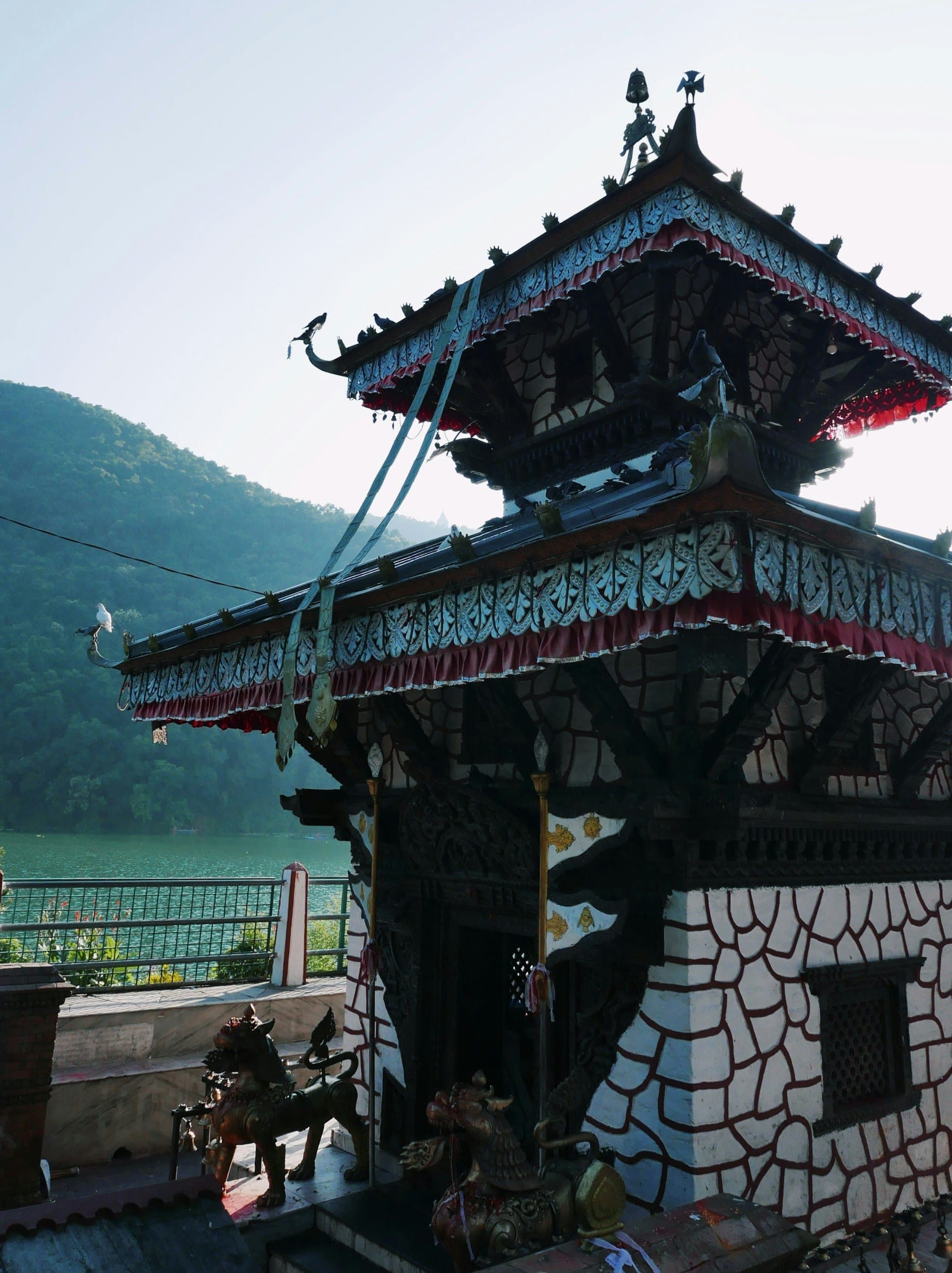
Tal Barahi Temple
822 m
KASKI DISTRICT

Tal Barahi Temple

"तालबाराही मन्दिर"

An iconic two-tiered pagoda shrine dedicated to Goddess Barahi, picturesquely situated on a small island in the middle of Pokhara's Phewa Lake.

Primary DeityGoddess Barahi (Durga Incarnation)
ArchitectureTwo-tiered Pagoda
LocationPhewa Lake, Pokhara
Main FestivalDashain & Haribodhini Ekadashi
Explore Temple
Manakamana Temple
1,302 m
GORKHA DISTRICT

Manakamana Temple

"श्री मनकामना मन्दिर"

A sacred shrine dedicated to the wish-fulfilling Goddess Bhagwati, perched on a hill ridge and accessible via Nepal's popular cable car ride.

Primary DeityGoddess Bhagwati (Parvati)
ArchitectureFour-tiered Pagoda
LocationManakamana, Gorkha
Main FestivalDashain & Nag Panchami
Explore Temple
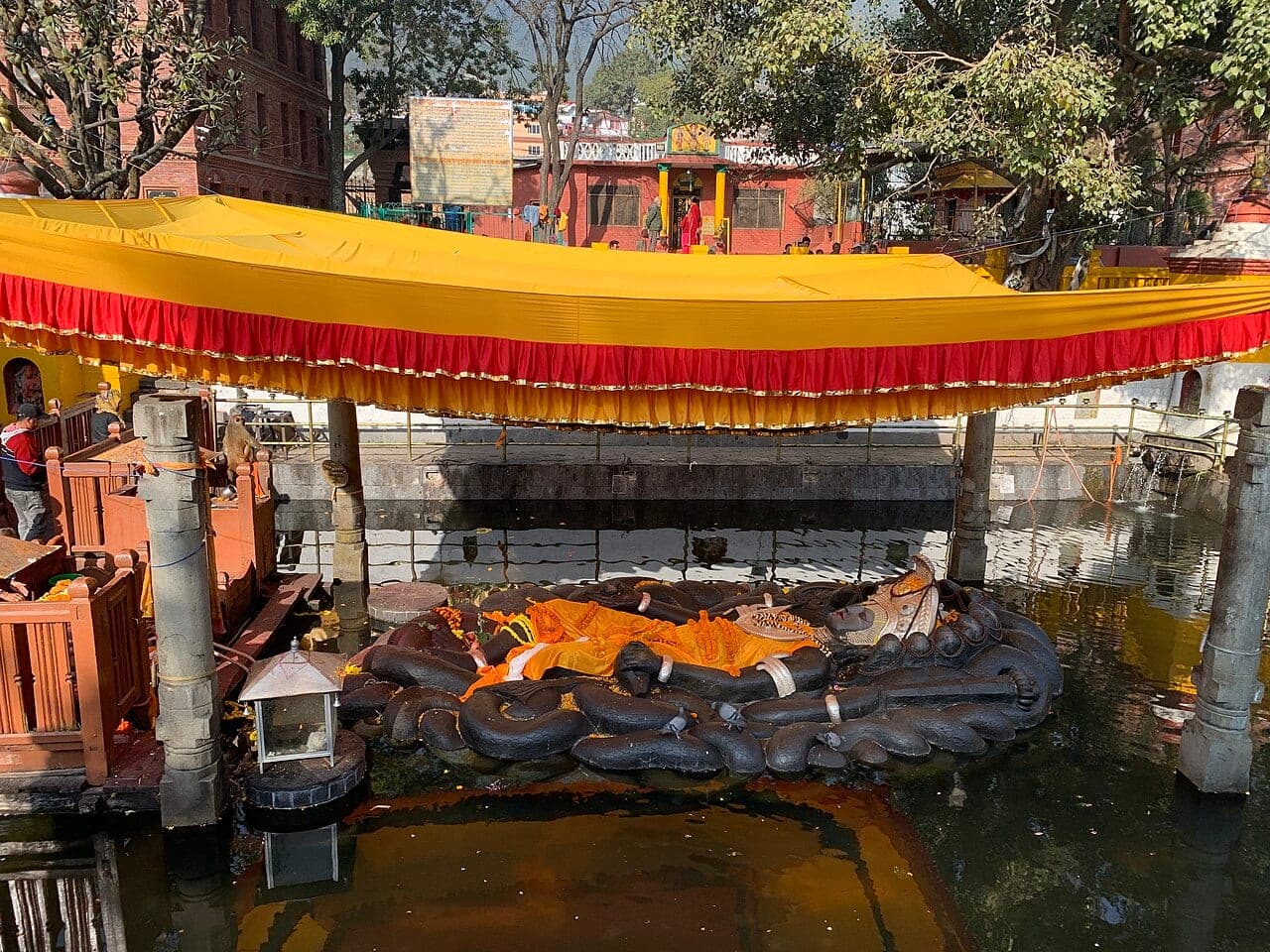
Budhanilkantha Temple
1,440 m
KATHMANDU DISTRICT

Budhanilkantha Temple

"बुढानिलकण्ठ मन्दिर"

Features a colossal 5th-century single-block black basalt stone sculpture of Lord Vishnu reclining on a bed of cosmic serpents.

Primary DeityLord Vishnu (Jalashayana)
ArchitectureOpen-air Sacred Pool Sanctuary
LocationBudhanilkantha, Kathmandu
Main FestivalHaribodhini Ekadashi
Explore Temple
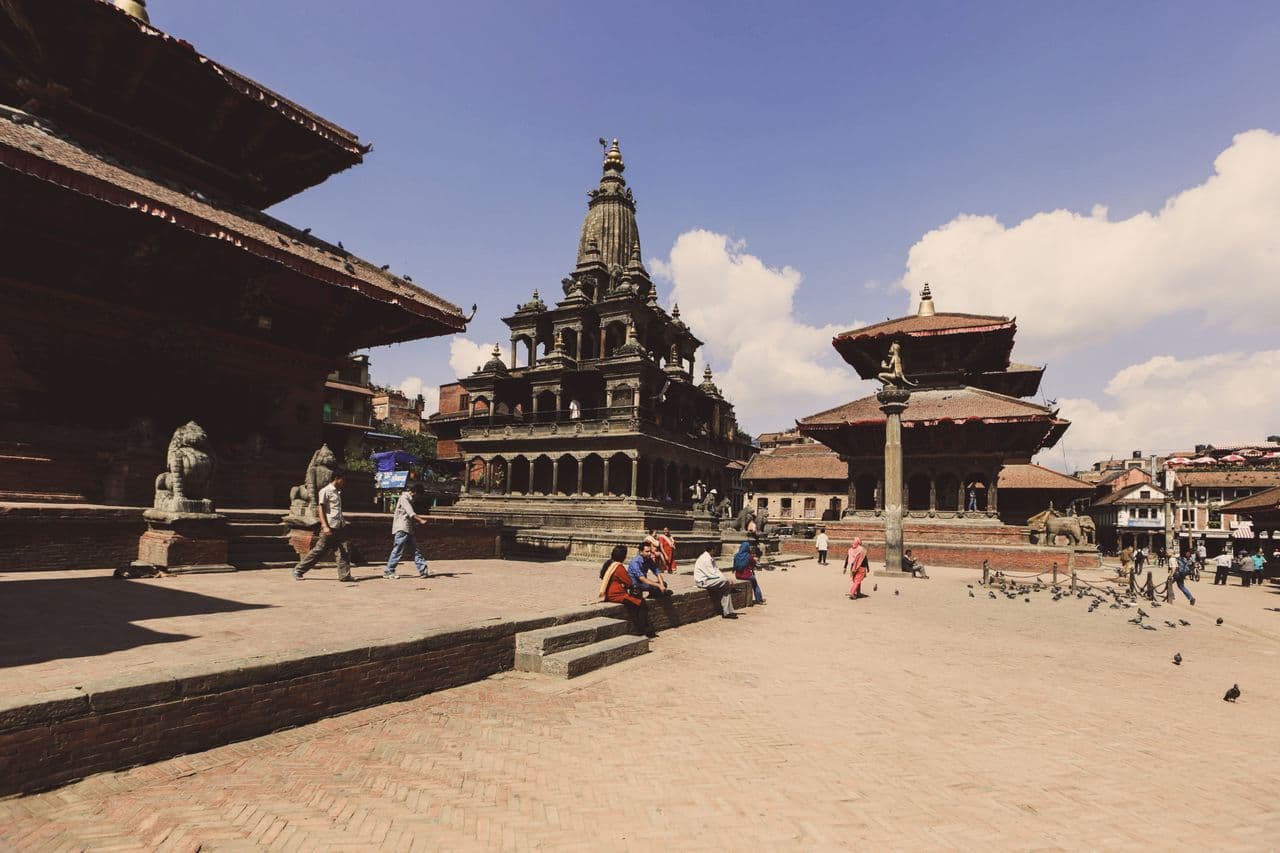
Krishna Mandir
1,400 m
LALITPUR DISTRICT

Krishna Mandir

"कृष्ण मन्दिर (पाटन)"

A 17th-century architectural masterpiece built entirely out of carved stone, illustrating epic scenes from the Mahabharata and Ramayana.

Primary DeityLord Krishna
ArchitectureShikhara Style (Stone)
LocationPatan Durbar Square, Lalitpur
Main FestivalKrishna Janmashtami
Explore Temple
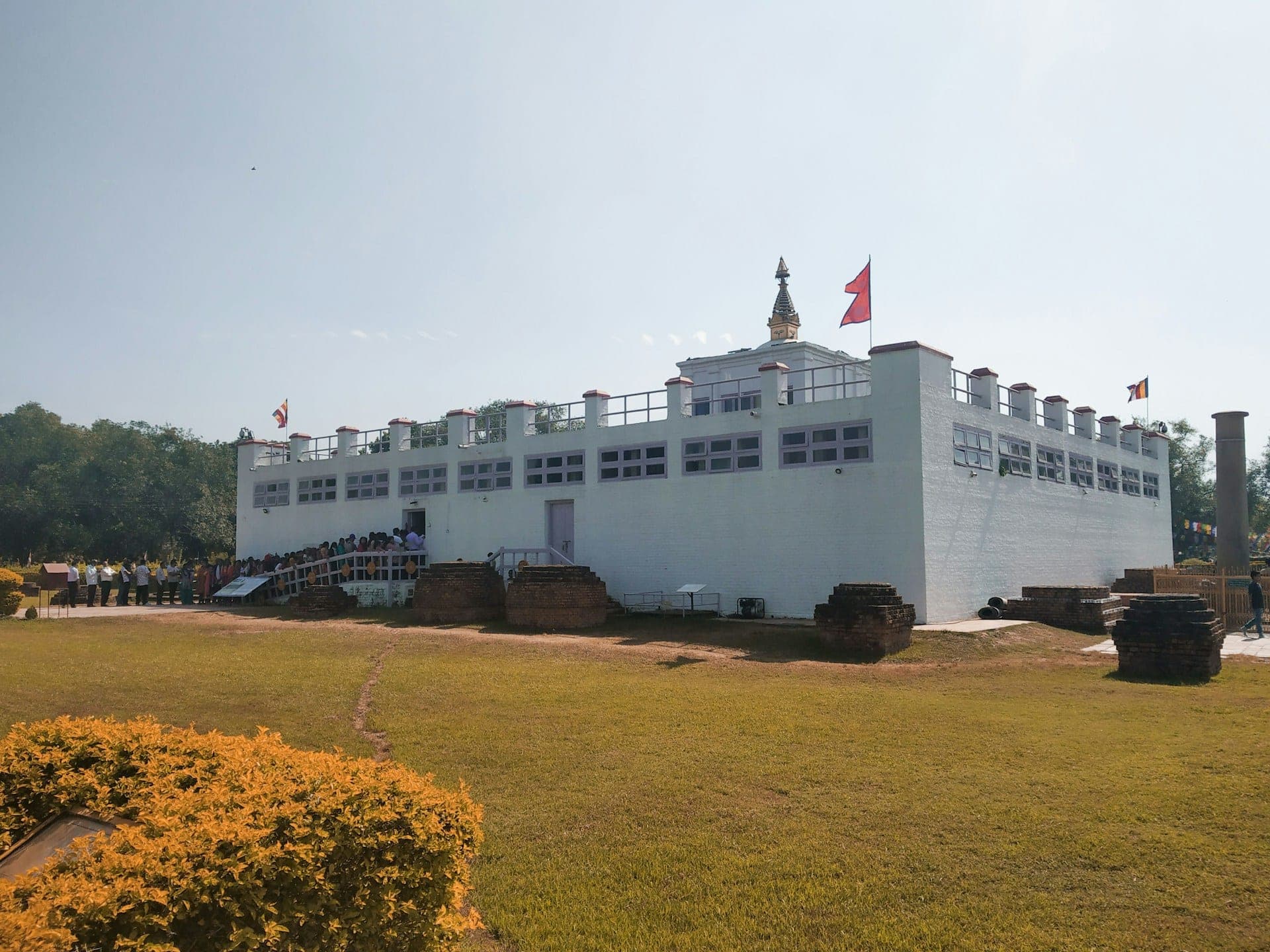
Maya Devi Temple
150 m
RUPANDEHI DISTRICT

Maya Devi Temple

"मायादेवी मन्दिर"

The world-famous UNESCO World Heritage sanctuary marking the exact birthplace of Siddhartha Gautama Buddha in the Terai plains.

Primary DeityQueen Maya Devi / Lord Buddha
ArchitectureArchaeological Brick Pavilion
LocationSacred Garden, Lumbini
Main FestivalBuddha Jayanti
Explore Temple
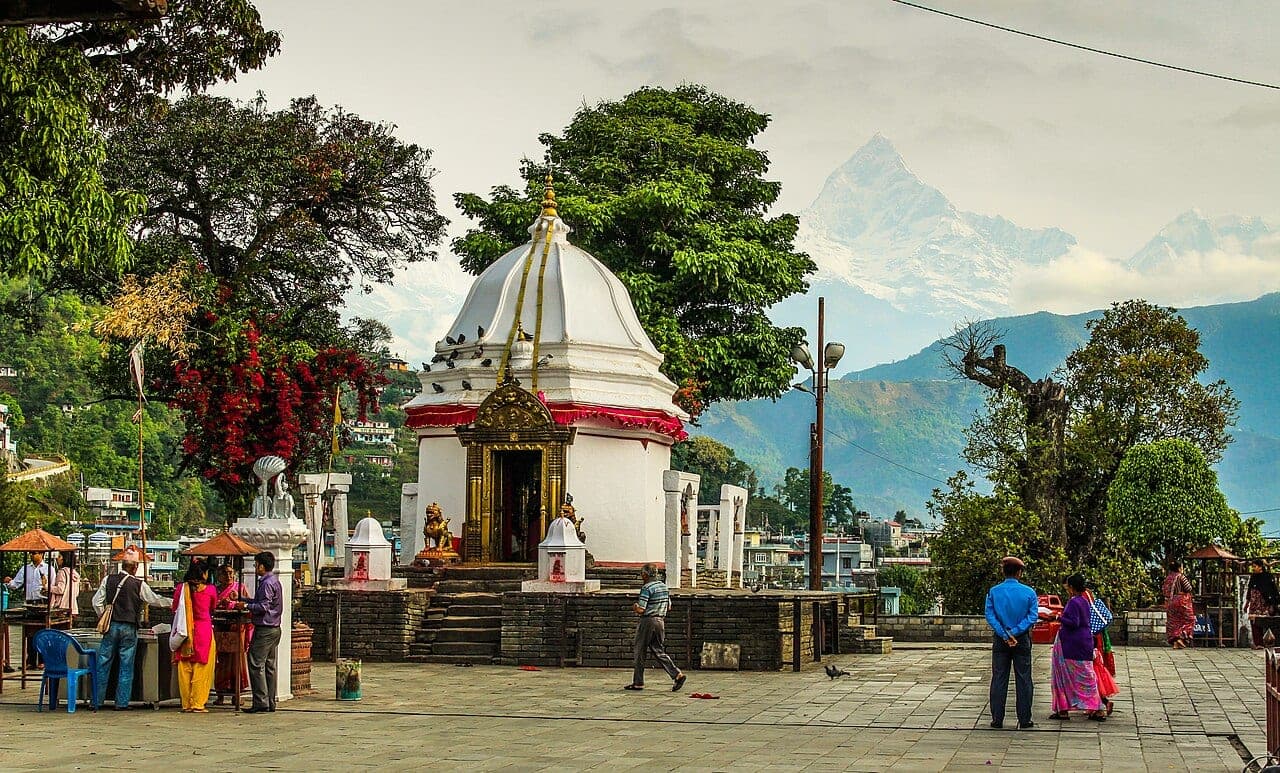
Bindhyabasini Temple
900 m
KASKI DISTRICT

Bindhyabasini Temple

"बिन्द्यावासिनी मन्दिर"

Perched atop a small hill in Pokhara's Old Bazaar, this temple is dedicated to Goddess Bhagwati and offers panoramic views of the Annapurna range.

Primary DeityGoddess Bindhyabasini (Bhagwati)
ArchitectureWhite Shikhara Style
LocationOld Bazaar, Pokhara
Main FestivalDashain
Explore Temple
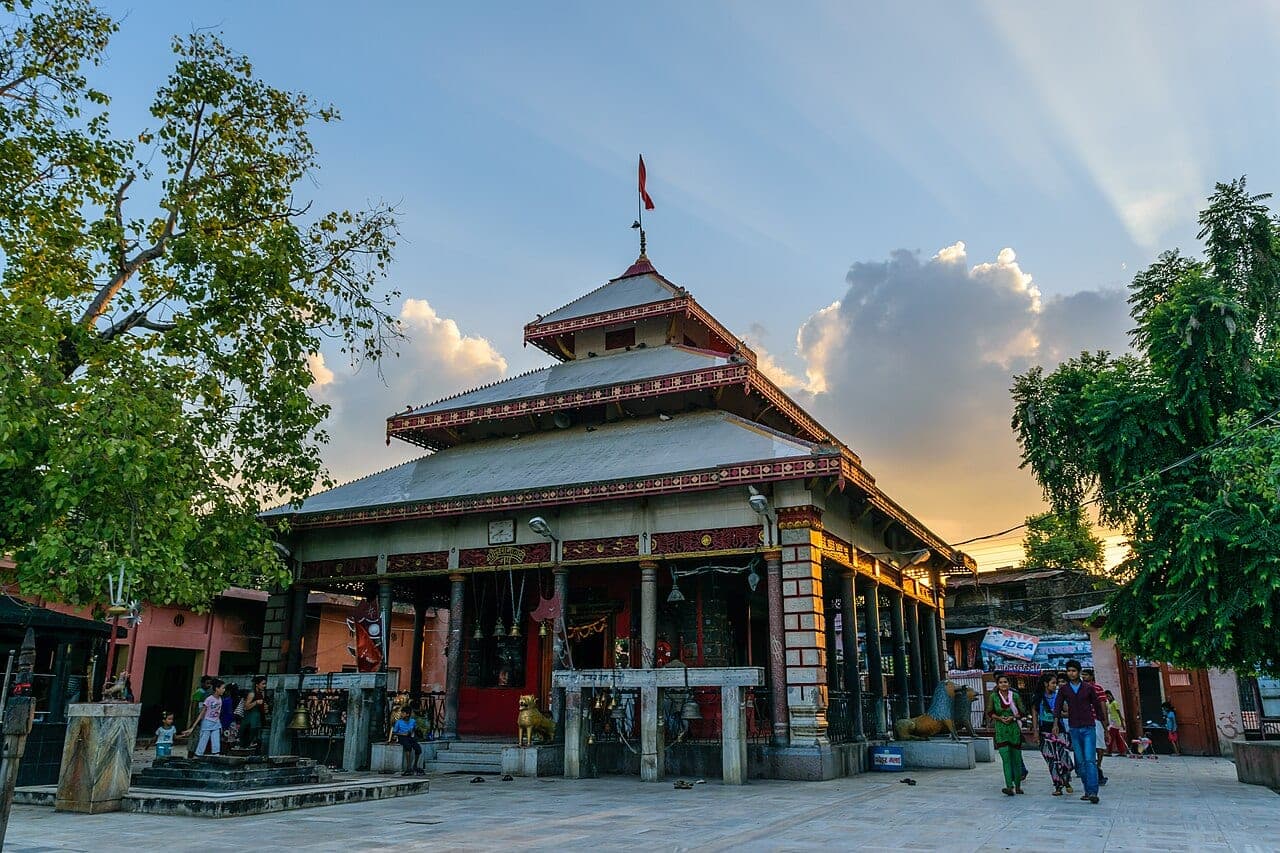
Bageshwori Temple
150 m
BANKE DISTRICT

Bageshwori Temple

"बागेश्वरी मन्दिर"

One of the oldest and most revered Shakti Peethas in Western Nepal, famous for its pond shrine housing a unique statue of Lord Shiva with a mustache.

Primary DeityGoddess Bageshwori (Durga)
ArchitectureTwo-tiered Nepalese Pagoda
LocationNepalgunj, Banke
Main FestivalDashain & Maha Shivaratri
Explore Temple
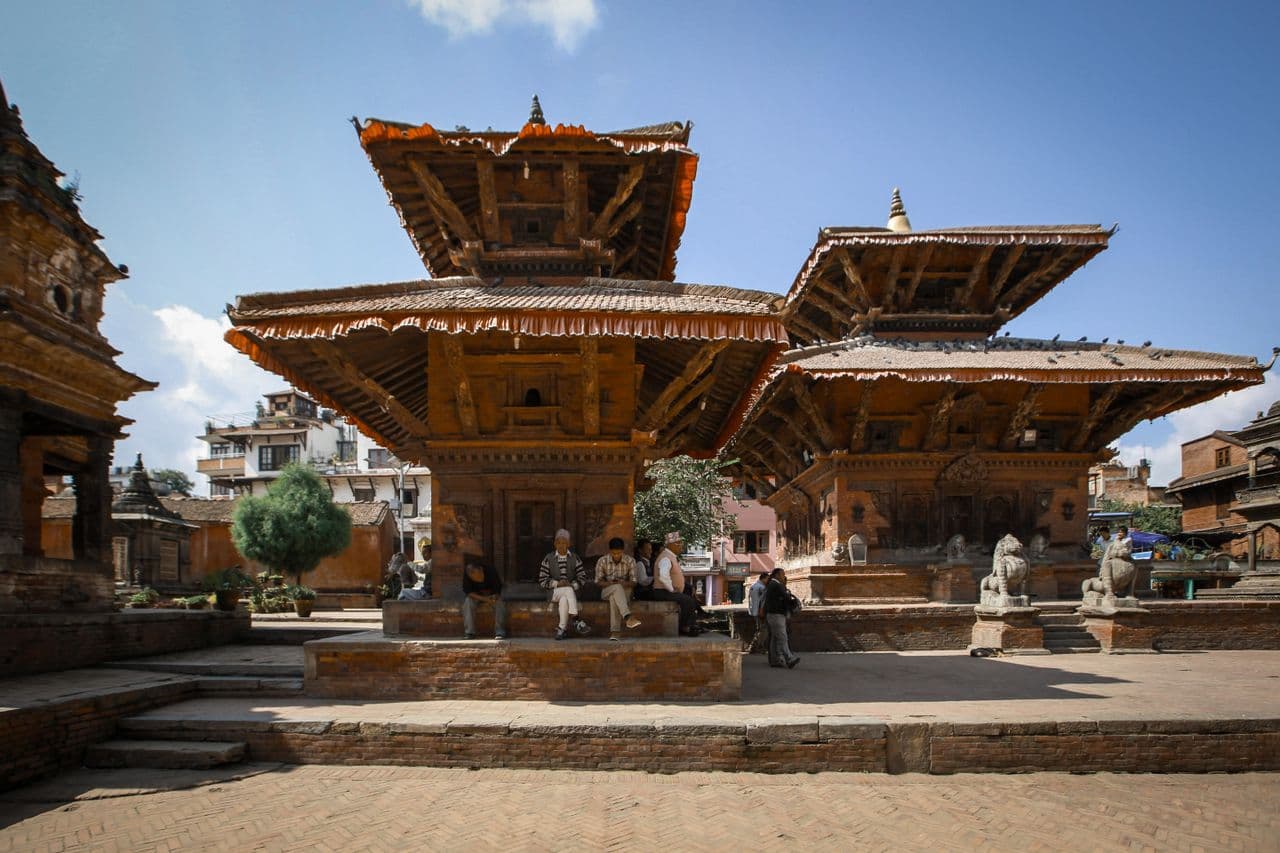
Char Narayan Temple
1,400 m
LALITPUR DISTRICT

Char Narayan Temple

"चार नारायण मन्दिर"

Located in the historic heart of Patan Durbar Square, this 16th-century temple is dedicated to Lord Vishnu and features exquisite Newar woodcarvings and erotic struts.

Primary DeityLord Vishnu (as Char Narayan)
ArchitectureTwo-Tiered Newari Pagoda Style
LocationPatan Durbar Square, Lalitpur
Main FestivalHaribodhini Ekadashi & Janmashtami
Explore Temple
Beyond the Basics

Temples of Nepal: Architecture, Worship & Etiquette

What you are looking at inside a Nepali temple, when to visit, and the customs that keep these sites open to everyone.

Temples in Nepal: A Living Geography

Nepali temples are not confined to a single tradition. A single square may hold a Shiva temple with a stone lingam, a Buddhist vihara, a roadside Ganesh shrine, and a Muslim mosque within a few minutes' walk, and worshippers move between them without ceremony.

The dense concentration in the Kathmandu Valley reflects centuries of royal patronage by the Malla kings, while temples in the hills and the Terai grew around pilgrimage routes, river confluences, and cave sites. Location often matters as much as the deity: hilltops, riverbanks, and forest edges are all considered auspicious.

How to Read a Nepali Temple

Most Newar-style temples are built on stepped stone plinths that raise the shrine above street level. A small doorway leads into the sanctum, where the main image sits in darkness, and the surrounding colonnade shelters pilgrims, pigeons, and vendors.

Above the sanctum, tiered pagoda roofs are covered in copper or gilt copper, with carved wooden struts supporting each level. Look for the torana above the door, the metal finial at the apex, and the stone lions or griffins guarding the stairs; these details usually identify the deity and the era of construction.

Daily Worship and Festival Days

Priests perform puja several times a day, offering water, flowers, incense, and food while ringing bells and reciting mantras. Visitors may be offered prasad, usually fruit, sweets, or holy water, and it is polite to accept a small amount with the right hand.

Festivals transform the same spaces. Dashain fills temples with animal sacrifices and family offerings, Tihar decorates doorways with marigolds and lights, and Shivaratri brings overnight vigils to Pashupatinath. Local jatras, when the deity is carried through the streets on a palanquin, follow their own calendars and are worth planning around.

Visiting with Respect

Remove shoes before entering a temple courtyard or sanctum, and walk clockwise around shrines and stupas. Leather belts, wallets, and bags are traditionally prohibited in some Hindu temples, and a few shrines admit only Hindus; always ask before entering an inner sanctum.

Ask before photographing priests, worshippers, or rituals, and never photograph a deity's inner sanctum unless you see others doing so. Dress modestly, keep voices low, and remember that a temple is a place of worship first and a heritage monument second.