Reclaiming the Birthplace of Peace
Lumbini was rediscovered in 1896 by Nepali General Khadga Shamsher and German archaeologist Alois Anton Führer, who unearthed the Ashoka Pillar identifying the sacred site.
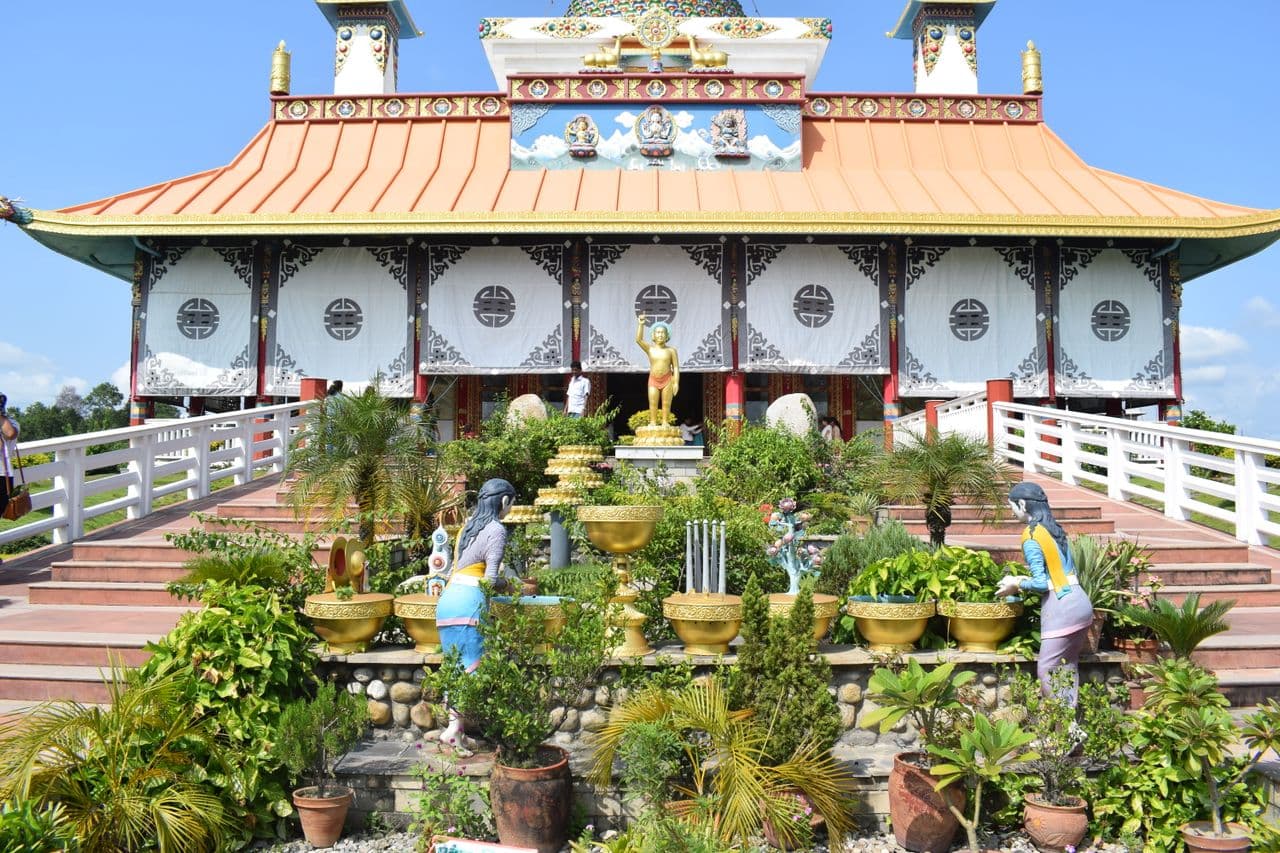
"Maya Devi & International Gompas"
Lumbini is one of the world's most sacred pilgrimage destinations. Recognized as the birthplace of Siddhartha Gautama (Lord Buddha) in 623 BC, it features the holy Maya Devi Temple, the sacred Pushkarini Pond, and the Ashoka Pillar erected by Emperor Ashoka in 249 BC.
Surrounding the central sacred garden is the sprawling Lumbini Monastic Zone, designed by master architect Kenzo Tange. Divided into East (Theravada) and West (Mahayana/Vajrayana) monastic zones, it hosts stunning monasteries built by Nepal, Thailand, China, Germany, Japan, Myanmar, and Vietnam.
The lineage and daily practice of Lumbini Sacred Monastic Zone, its festival calendar, and how to visit a working monastery respectfully.
Lumbini was rediscovered in 1896 by Nepali General Khadga Shamsher and German archaeologist Alois Anton Führer, who unearthed the Ashoka Pillar identifying the sacred site.
Millions of international pilgrims gather each year on the May full moon to celebrate the Birth, Enlightenment, and Parinirvana of Lord Buddha.
Leather items and footwear must be removed near the Maya Devi Temple marker stone.
Bicycles and electric rickshaws are recommended to navigate the expansive monastic garden.
Lumbini Sacred Monastic Zone belongs to the Pan-Buddhist Traditions tradition, specifically the Theravada, Mahayana & Vajrayana lineage, and stands at 150 m in Lumbini Cultural Zone, RUPANDEHI DISTRICT. The surrounding area forms part of UNESCO World Heritage Site.
The monastery follows Global Buddhist Traditions and traces its foundation to 623 BC (Birthplace of Buddha). Monks live and study on site, so the prayer hall, courtyards, and surrounding buildings are working religious spaces rather than monuments.
The best months to visit Lumbini Sacred Monastic Zone are Autumn & Winter (Oct–March). Mornings are usually the calmest time to sit in the prayer hall, while afternoons suit walking in the surrounding area of RUPANDEHI DISTRICT.
At Lumbini Sacred Monastic Zone, dress modestly, remove shoes and hats before entering the main hall, and keep phones silent during prayers. Some monasteries in RUPANDEHI DISTRICT welcome overnight guests, which supports the community and gives time to join an evening session.