Himalayan Summits

Peaks of Nepal

From the world's highest mountains to accessible trekking summits, explore Nepal's climbing objectives, routes, and elevations.

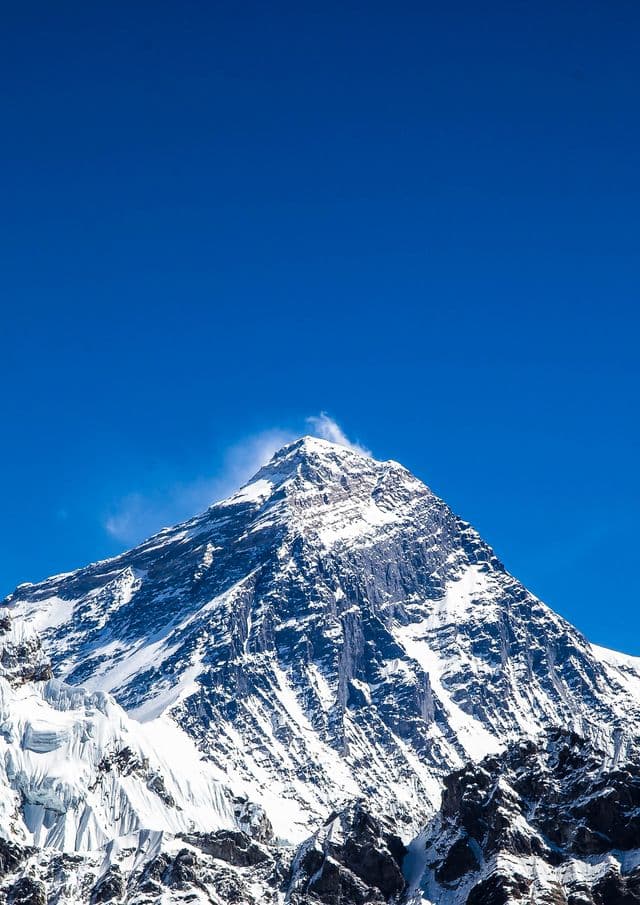
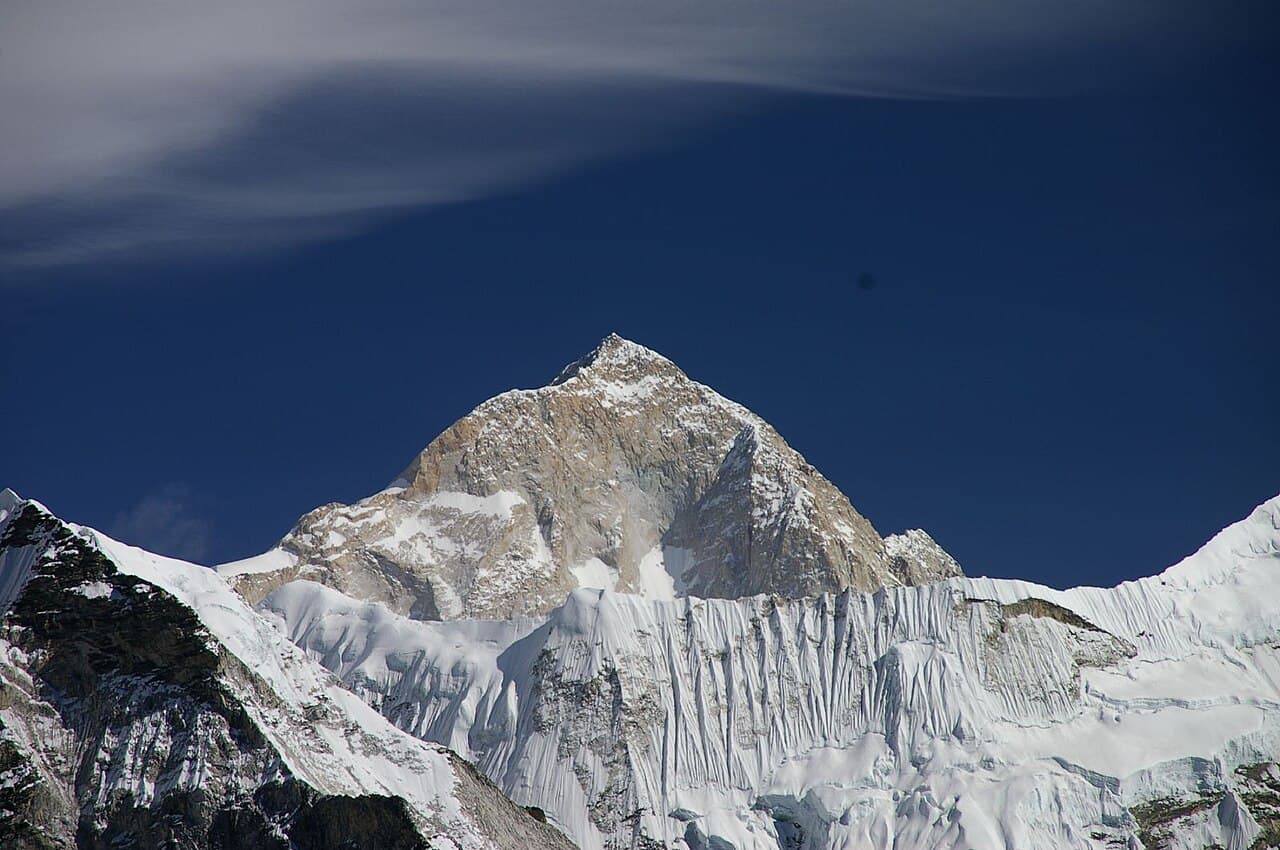
Mount Everest
8 peaks

The 8,000m Giants

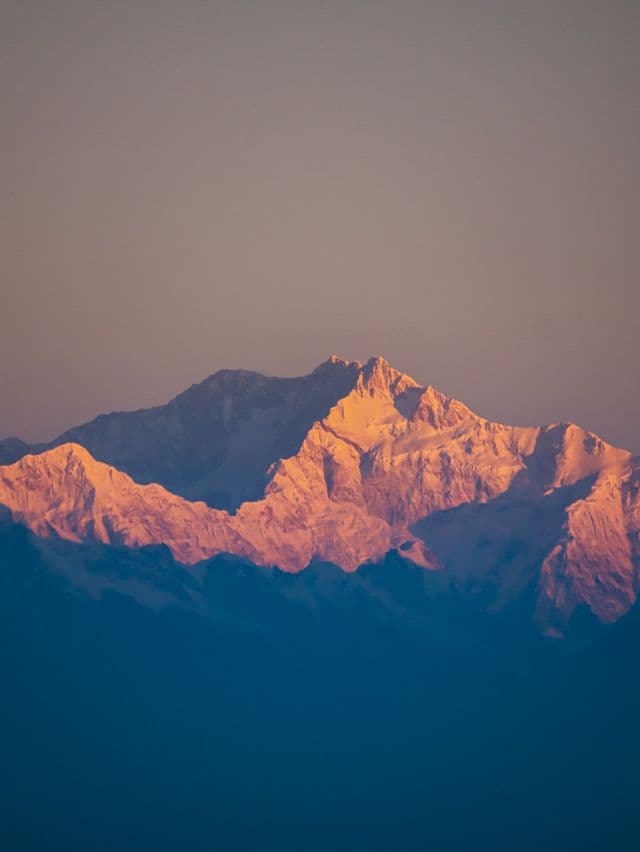
Home to eight of the ten highest mountains on Earth, including Mount Everest, Kanchenjunga, and Annapurna I.

Explore The 8,000m Giants
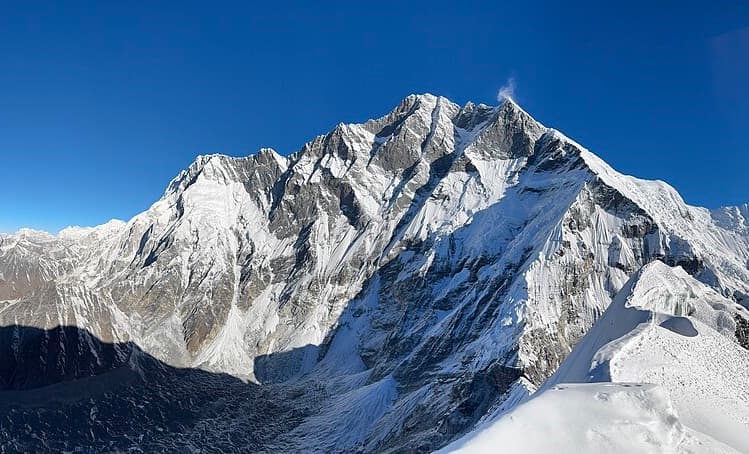
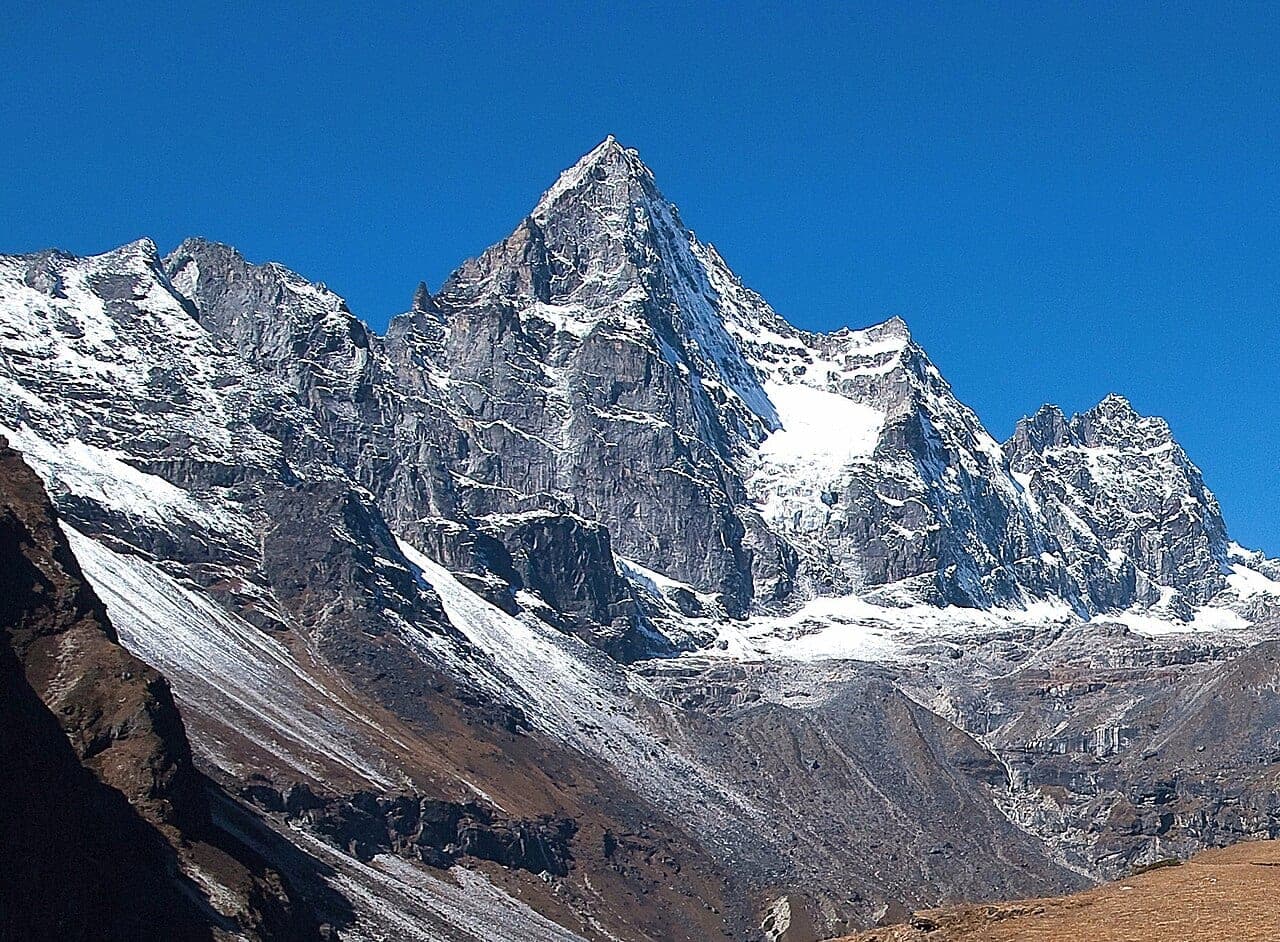
Island Peak
32 peaks

Nepal's Trekking Peaks

Accessible 5,000m and 6,000m summits for aspiring mountaineers, with route and preparation details.

Explore Nepal's Trekking Peaks

Featured 8,000m Peaks

View all →

Featured Trekking Peaks

View all →

Climbing in Nepal requires permits and, for many peaks, a licensed guide. Check the visa and permit guide before planning your expedition.

Beyond the Basics

Planning a Peak in Nepal

Permits, difficulty, seasons, and safety explained before you choose a mountain.

Nepal's Peaks at a Glance

Nepal contains eight of the world's fourteen mountains above 8,000 metres, along with hundreds of lower trekking peaks that are accessible to fit, well-prepared climbers. The range runs from the far-west Himal to the eastern border with Sikkim, and each region has its own approach routes, permit rules, and weather patterns.

Broadly, the country's climbing objectives fall into two groups. The 8,000-metre giants demand full expedition logistics, oxygen, high-altitude porters, and weeks of acclimatisation. Trekking peaks are lower, normally between 5,000 and 6,500 metres, and are climbed in a few days from a base camp with basic alpine skills.

How Peak Climbing Permits Work

Most trekking peaks are managed by the Nepal Mountaineering Association (NMA), which issues climbing permits for designated peaks. Expedition peaks above 6,500 metres are handled through the Department of Tourism and usually require a liaison officer, a full team, and a higher fee.

Permits are separate from national park and conservation area entry fees, and some regions add local permits. Rules, fees, and the list of open peaks are updated regularly, so confirm details with a licensed agency or the official authority before paying for flights or equipment.

Choosing Your First Peak

For a first Himalayan summit, look for a peak with a straightforward glacier or snow ridge, a short approach, and a reputation for good conditions. Island Peak, Mera Peak, and Yala Peak are popular starting points, though none should be treated as easy walks.

Match the objective to your actual experience rather than your ambition. A guided ascent of a 6,000-metre trekking peak is a serious undertaking that needs fitness, basic rope skills, and time to acclimatise. Build up with treks, a skills course, and smaller summits first.

Seasons and Mountain Weather

Spring (March to May) and autumn (September to November) are the main climbing windows. Spring is warmer and often favoured for high peaks, while autumn brings settled weather and excellent visibility. Winter climbs are colder and windier, and the monsoon brings heavy snow, cloud, and avalanche risk.

Weather in the high mountains changes fast. Build rest and contingency days into every itinerary, listen to local forecasts, and be willing to turn around. Most accidents happen when teams push on to keep a fixed schedule instead of responding to conditions.

Safety, Insurance, and Responsibility

Travel insurance must explicitly cover high-altitude trekking or mountaineering, including helicopter evacuation where available. Check the altitude limit and the activities covered; a standard trekking policy often excludes climbing with ropes, crampons, or an ice axe.

Choose licensed agencies that pay porters fairly, provide proper equipment, and follow waste-management rules. Carry out all rubbish, avoid burning plastic at altitude, and respect the monasteries, prayer flags, and villages you pass through on the approach.