Lumbini
Lumbini Travel Guide: Buddha’s Birthplace in Nepal
About Lumbini Travel Guide: Buddha’s Birthplace in Nepal
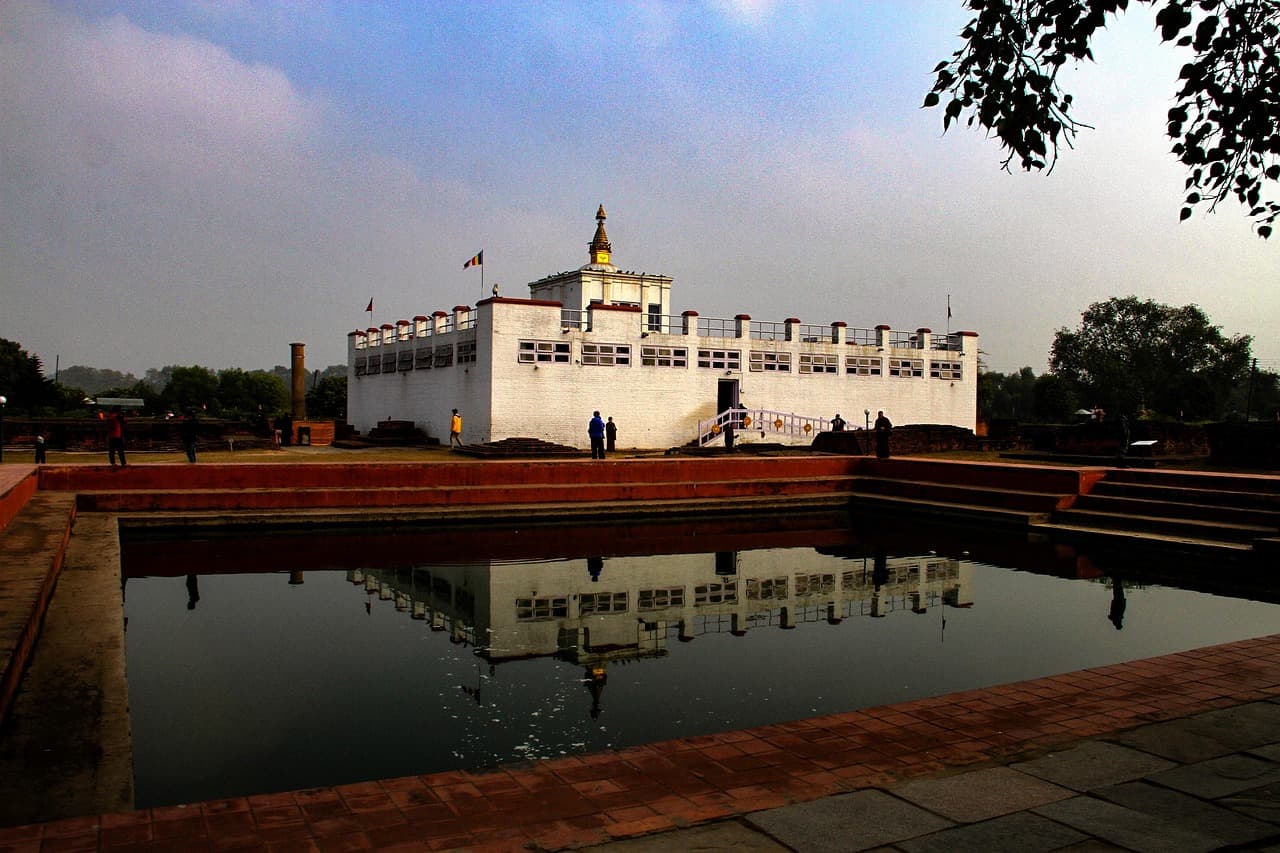
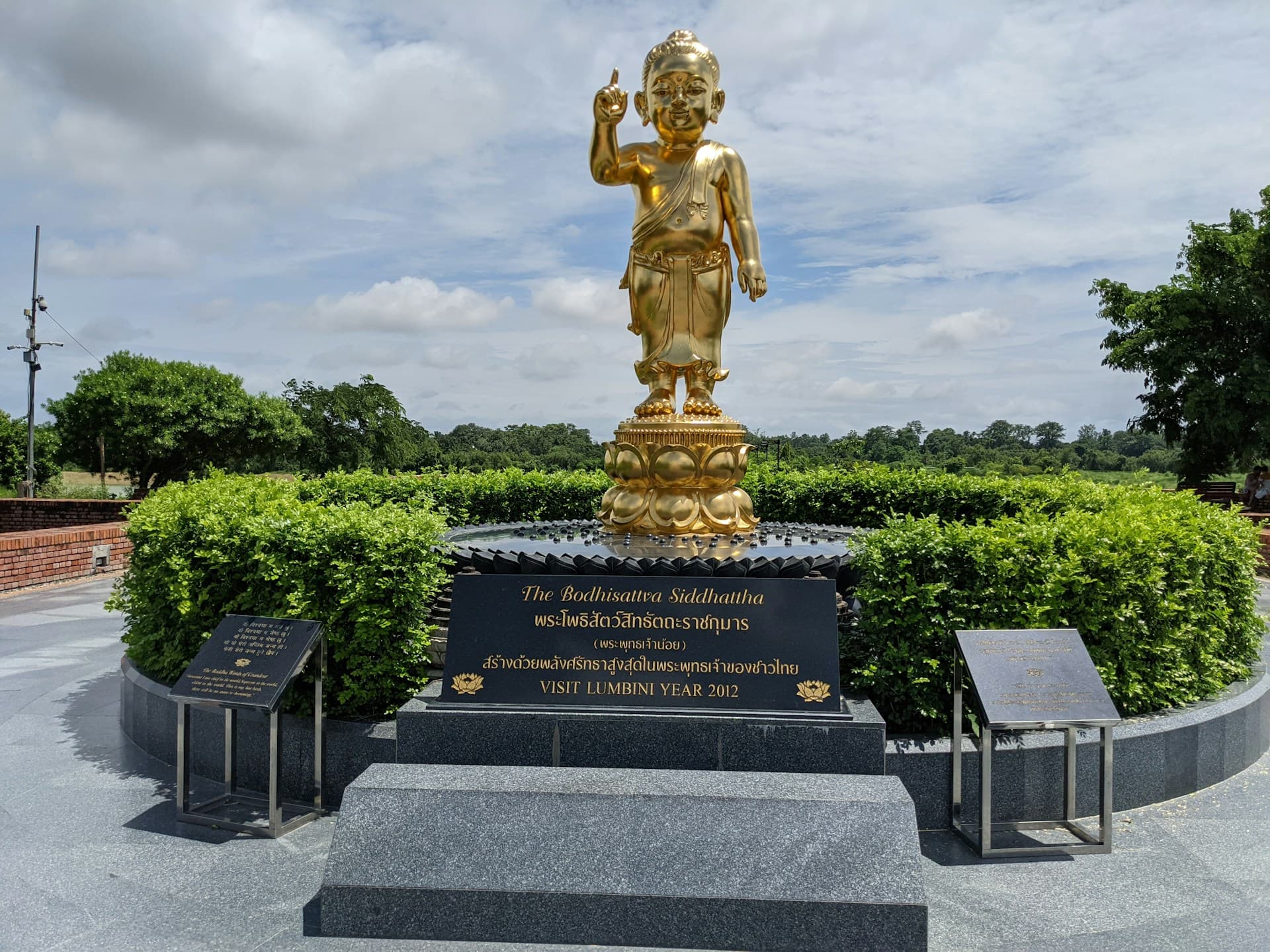
Tucked into the flat Terai plains of Nepal’s Rupandehi district, just a short distance from the Indian border, Lumbini is where Siddhartha Gautama was born, the man who would later become the Buddha. Recognized as a UNESCO World Heritage Site in 1997, it remains one of the most spiritually and historically meaningful places in the world.
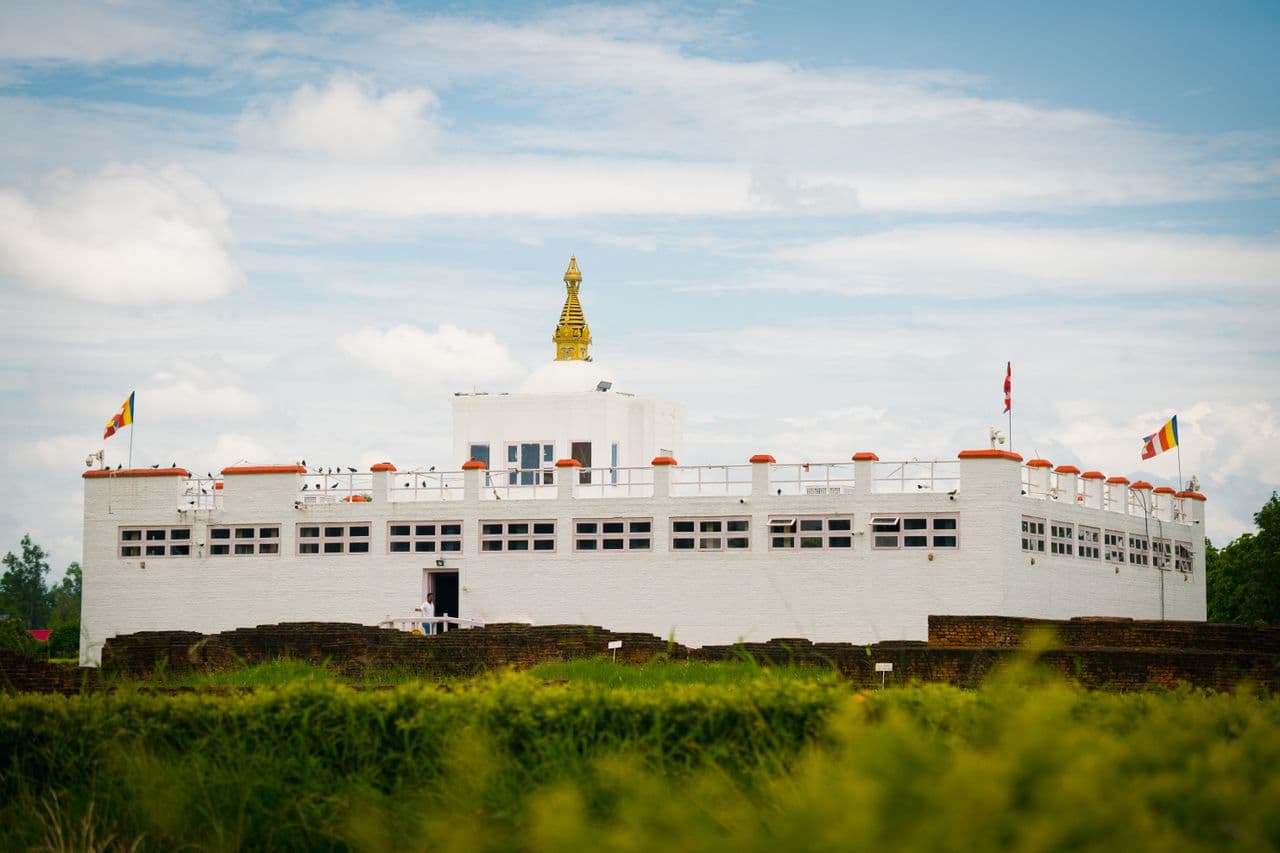
Unlike Nepal’s high-altitude mountain destinations, Lumbini sits at a low elevation, so getting around is easy and relaxed. At its center is the Sacred Garden, home to the Maya Devi Temple, which marks the very spot where the Buddha is believed to have been born. Right beside it stands the Ashoka Pillar, raised by Emperor Ashoka in 249 BCE. Its ancient inscription is one of the clearest pieces of written evidence connecting this place to the Buddha’s life.
Beyond the sacred site itself, the Lumbini Monastic Zone stretches out along a wide, landscaped path. Monasteries built by Buddhist communities from around the world line the way, from Thailand and Myanmar to Germany and Japan, each reflecting its own architectural style. Whether you come for quiet reflection, a love of history, photography, or a pilgrimage, Lumbini is a wonderfully peaceful stop on any journey through South Asia.
Key Highlights & Attractions
Gallery
Experiences in Lumbini
Pilgrimage at Maya Devi Temple
1–2 hours
Heritage Walk Around the Ashoka Pillar
1 hour
Monastery-Hopping in the Monastic Zone
3–4 hours
Meditation & Mindfulness Retreats
1–3 hours
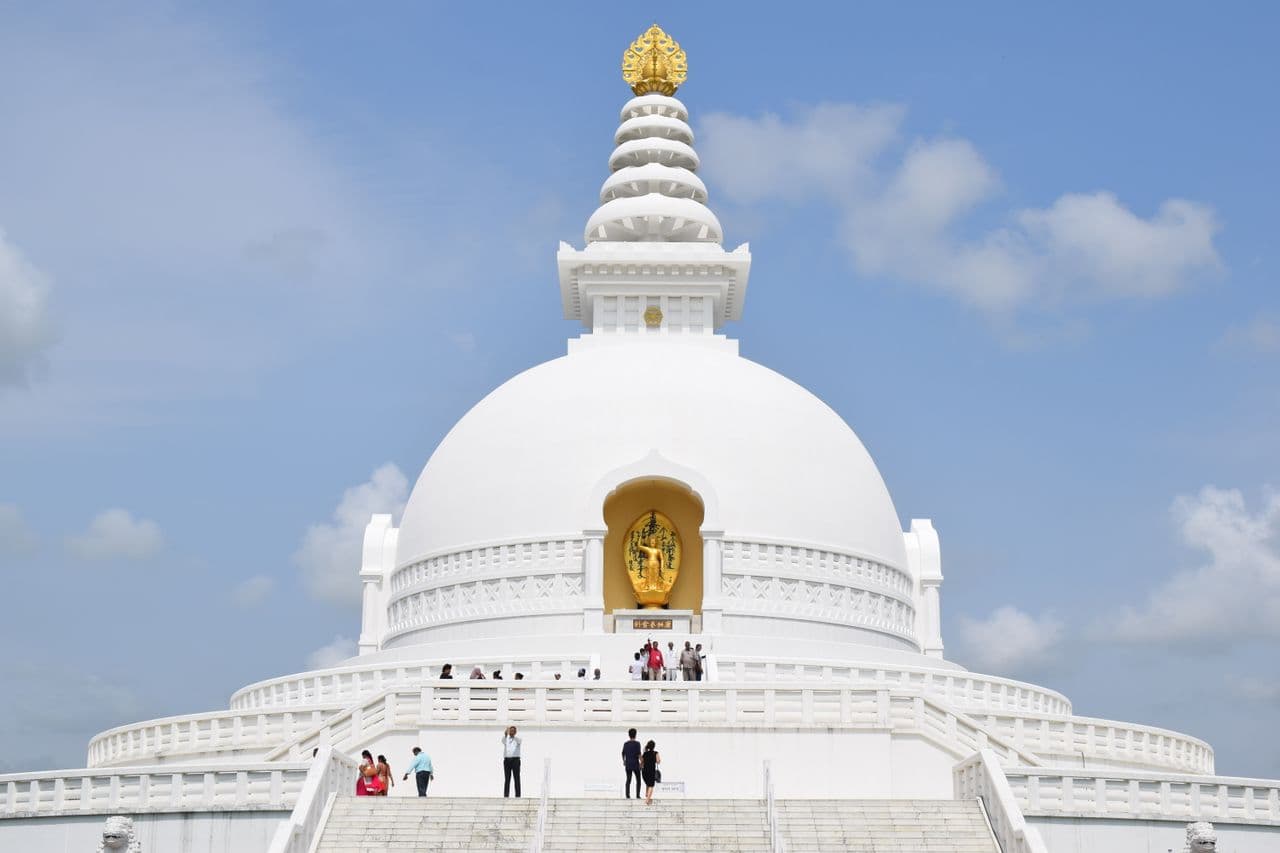
Sunset Photography at the World Peace Pagoda
1 hour
Museum & Archaeological Exploration
1–2 hours
Summary
Rupandehi District, Lumbini Province, Southern Nepal
150 metres
2–3 days
Easy